

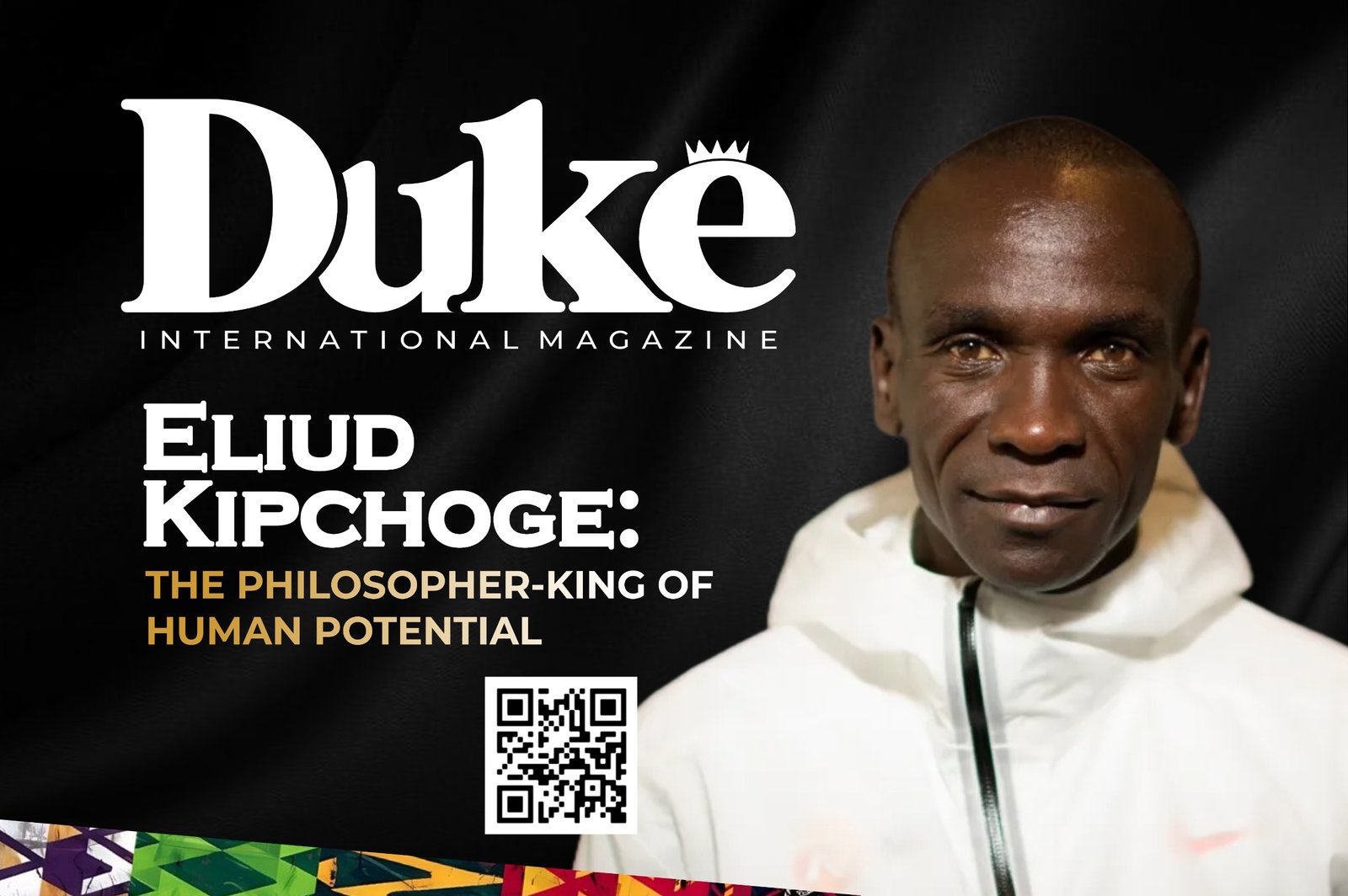
The first light of dawn stains the red dirt roads of Kaptagat as a slight figure in a black tracksuit emerges from the mist. At 5:30 AM sharp, Eliud Kipchoge begins his morning ritual—not with stretches or stats, but by scrubbing the training camp toilets. This is the paradoxical world of marathon running’s undisputed monarch: a man who breaks world records before breakfast yet still insists on washing his own kit, a living legend who speaks in Zen koans and runs like metronome set to the rhythm of eternity.
Kipchoge’s origin story defies the poverty-to-podium clichés. Born in 1984 in Nandi County, Kenya—the crucible that’s produced 80% of the world’s distance champions—he was neither the poorest nor the most athletic child in his village. His superpower emerged elsewhere: an almost supernatural capacity for suffering beautifully. Coaches still recount the teenage Kipchoge running 30km to school in secondhand shoes, arriving not panting but smiling, as if privy to some cosmic joke about pain.
The numbers alone should be impossible:
- 10 major marathon wins (including 2 Olympic golds)
- First/only human to run 26.2 miles under 2 hours (1:59:40 in the 2019 INEOS Challenge)
- A 2018 Berlin Marathon where his shoes malfunctioned at mile 16—and he still set a world record
Yet these feats pale beside his greater revolution—transforming long-distance running from a test of physical endurance into a masterclass in cognitive science. Kipchoge’s training logs reveal as much about neuroscience as athletics: the meticulous sleep schedules (lights out at 9PM sharp), the handwritten philosophy journals, the way he recites mantras from Marcus Aurelius’ Meditations during kilometer 35. “When you train the body, you exhaust the body,” he explains in his whisper-soft voice. “When you train the mind, you exhaust impossibility.”
This mental alchemy was perfected at the High Altitude Training Centre in Kaptagat—a Spartan complex where athletes live like monks, sharing chores and a single television (for watching races only). Here, Kipchoge developed his infamous “No Human Is Limited” ethos through what insiders call “the boredom protocol”: running the same forest loop 200 times annually until discomfort becomes irrelevant. Nutritionists marvel at his ability to take precisely 62 sips of water per hour during races; psychologists study his pre-race ritual of writing competitors’ names in a notebook “to thank them for the challenge.”
His 2019 sub-two-hour marathon—technically unofficial due to pace-rotating teams and laser guides—became a cultural watershed. By treating the attempt as a philosophical experiment rather than an athletic one (“I wanted to explore the edges of human will”), Kipchoge shifted global consciousness. NASA reported a spike in Kenyan students applying to astronaut programs afterward; Japanese CEOs now use his training methods for leadership seminars.
Off the track, the 39-year-old operates with the same quiet intentionality. He reinvests 90% of his earnings into a foundation installing water pumps along Kenyan training routes and quietly mentors young athletes—though none are permitted to carry his bags. “Champions carry their own weight,” he insists. When Nike offered him a signature shoe line, he demanded the profits fund rural libraries instead.
As twilight falls over Kaptagat, Kipchoge can be found doing what he loves second-most to running: tending his vegetable garden. Kneeling in the dirt, planting spinach seedlings with the same precision he applies to stride cadence, the man who’s run faster than any human in history seems most at peace. “The finish line is just proof,” he murmurs, patting soil around a stalk. “The truth is in the daily planting.” In an era obsessed with quick wins, Eliud Kipchoge stands as a monument to slow, relentless accumulation—a reminder that the most extraordinary limits we break are those we place on ourselves.