

From the bustling streets of Lagos to the halls of the United Nations, a powerful movement is unfolding. Black male activists are no longer confined to the margins of history. They are actively rewriting the narrative of what is possible, transforming lives and shifting perspectives across every continent.
Their work spans causes as vast as anti-corruption, climate justice, educational equity, mental health, and youth empowerment. They are not waiting for permission. They are building, organizing, and reshaping the future, one community at a time.
Here are ten black male activists who are changing the world.
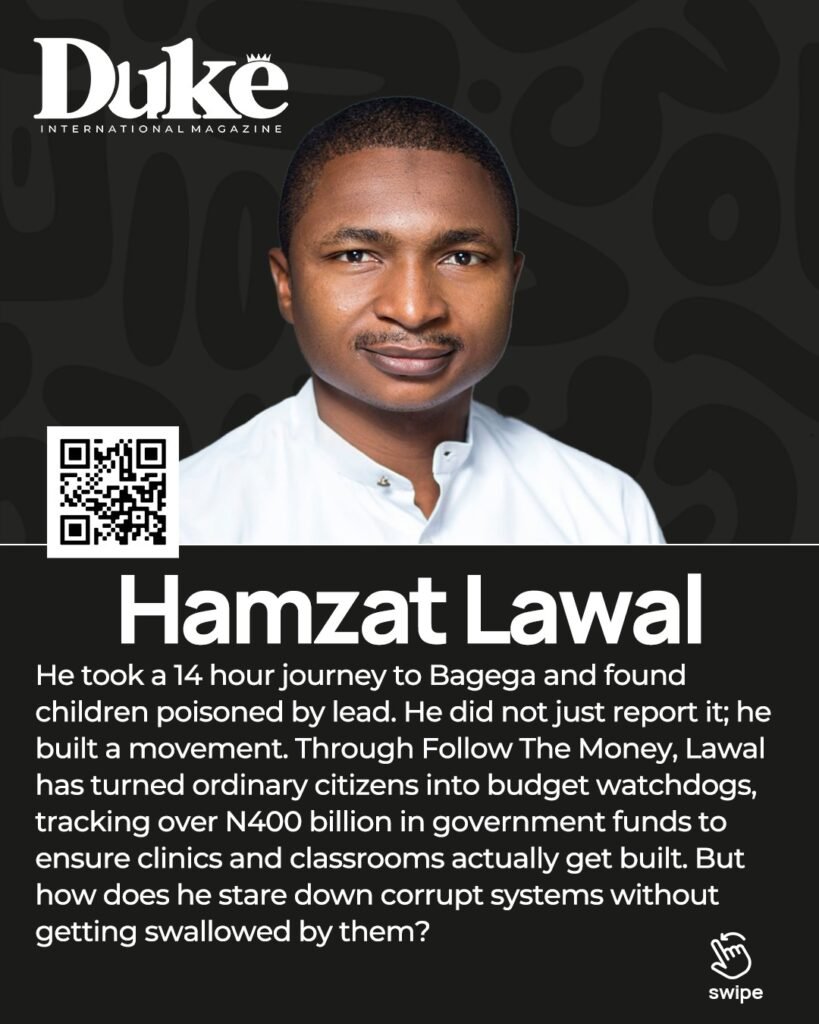
Hamzat Lawal: The Accountability Pioneer
When Hamzat Lawal journeyed 14 hours to the dusty hamlet of Bagega, Zamfara State, he witnessed children poisoned by lead-ridden soil from artisanal gold mining. That visit birthed the #SaveBagega campaign and his life’s work: Follow The Money and Connected Development (CODE).
Through CODE, Lawal has mobilized citizens in over 3,000 communities across Nigeria and 12 African countries, tracking over N400 billion in government funds to ensure budgets translate into water, clinics, and classrooms. His work has earned the ONE Africa Award, the UN SDG Mobiliser Award, and recognition among the 100 most influential Africans.
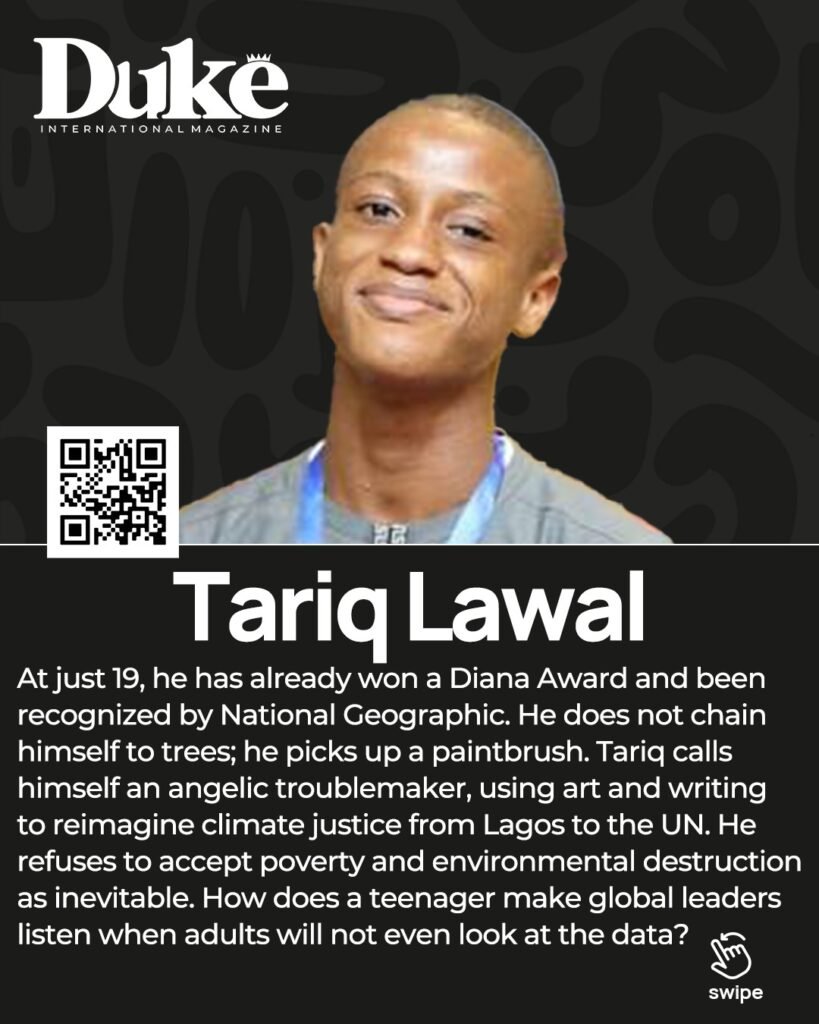
Tariq Lawal: The Angelic Troublemaker
At just 19 years old, Tariq Lawal is revolutionizing climate action from Lagos to the United Nations. A writer, artist, and social entrepreneur, he calls himself an “angelic troublemaker”, a term borrowed from legendary civil rights organizer Bayard Rustin. His accolades include the Diana Award, a UNODC competition win, and recognition from National Geographic and Global Citizen.
“My art is basically my way of reimagining a better way to be in the world,” he says. For Tariq, being an angelic troublemaker means speaking truth to power, challenging corrupt systems, and refusing to accept that poverty and environmental destruction are inevitable.
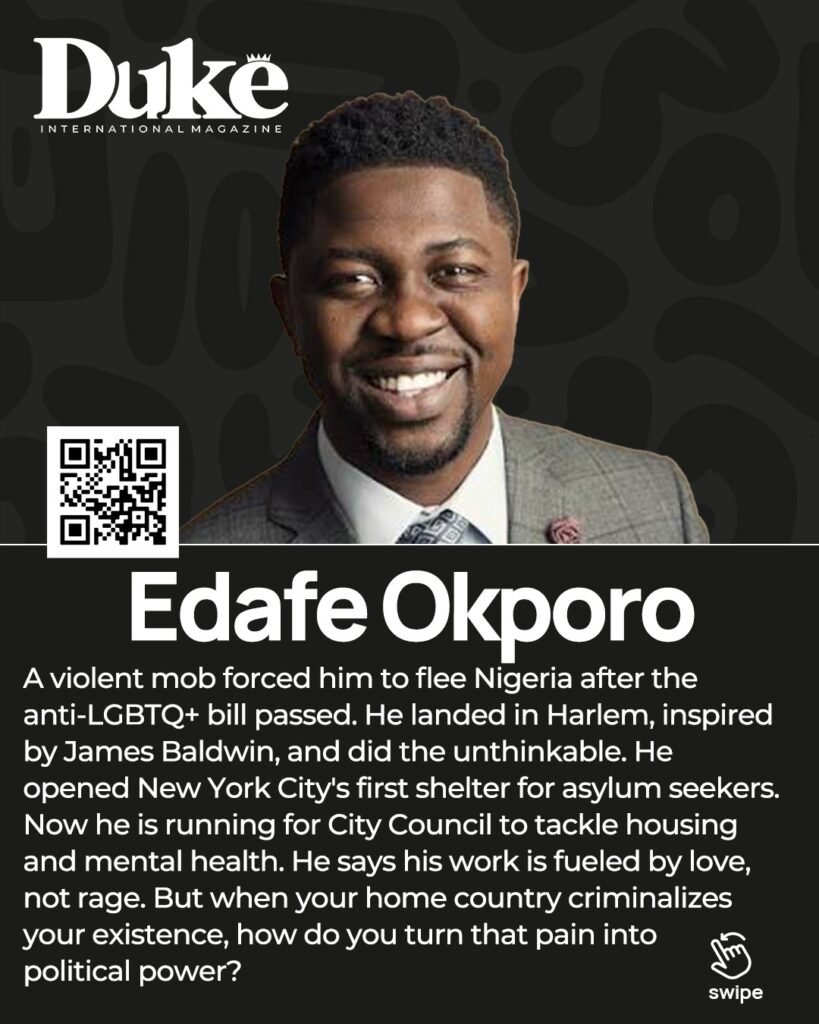
Edafe Okporo: The Refugee Turned Council Candidate
After Nigeria’s Same-Sex Marriage (Prohibition) Bill, which punishes LGBTQ+ relationships with 10 to 14-year prison sentences, was signed into law, a violent mob forced Edafe Okporo to flee. He sought asylum in the United States, finding a sense of home in Harlem, inspired by James Baldwin’s writings. In 2020, he opened the first shelter for asylum seekers in New York City.
Now running for the New York City Council in District 7, Okporo hopes to address mental health resources and housing insecurity. “When I do this work of carrying the weight of my community in my heart, I feel like it’s a work that has to do with love,” he says.
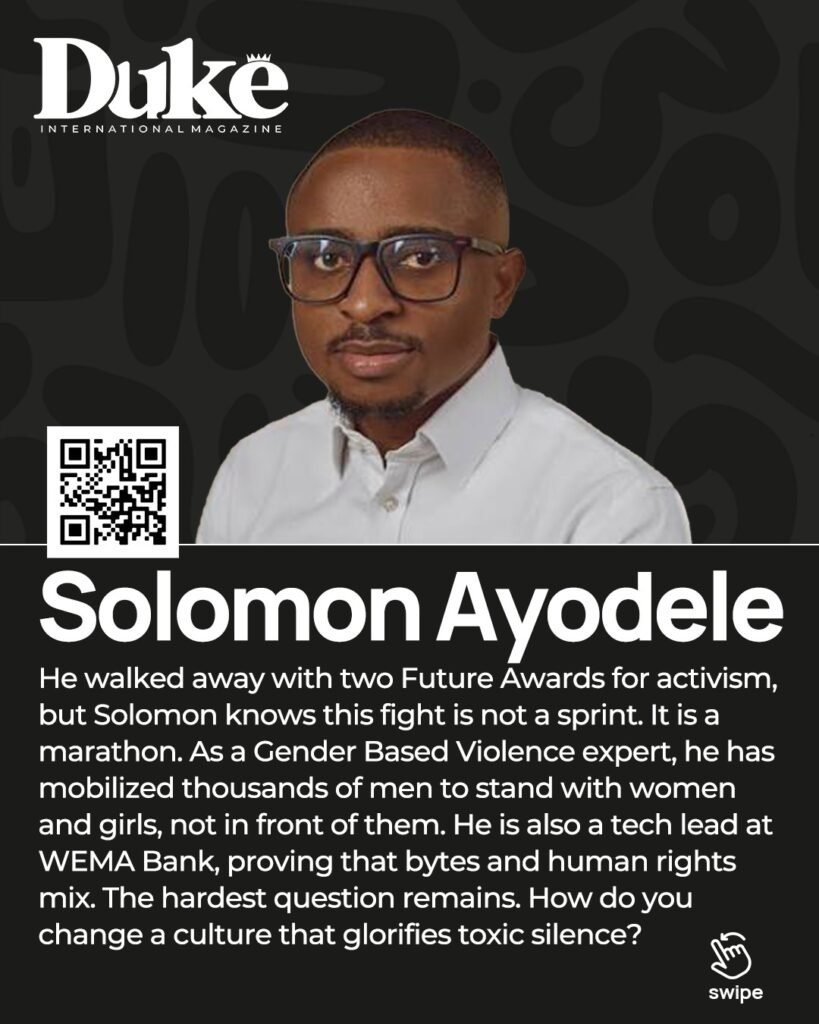
Solomon Ayodele: The Boy Child Advocate
Founder of the Boy Child Transformation Movement, Solomon Ayodele is a Gender-Based Violence Expert mobilizing thousands of men as allies in ending violence against women and girls.
At the 2025 Future Awards Africa, he clinched double awards for Activism and Advocacy, and for Intrapreneurship. “This is truly not a 100-metre dash, it’s a marathon,” he said in his acceptance speech. Ayodele also serves as Head of Product and Technology at WEMA Bank’s innovation lab.
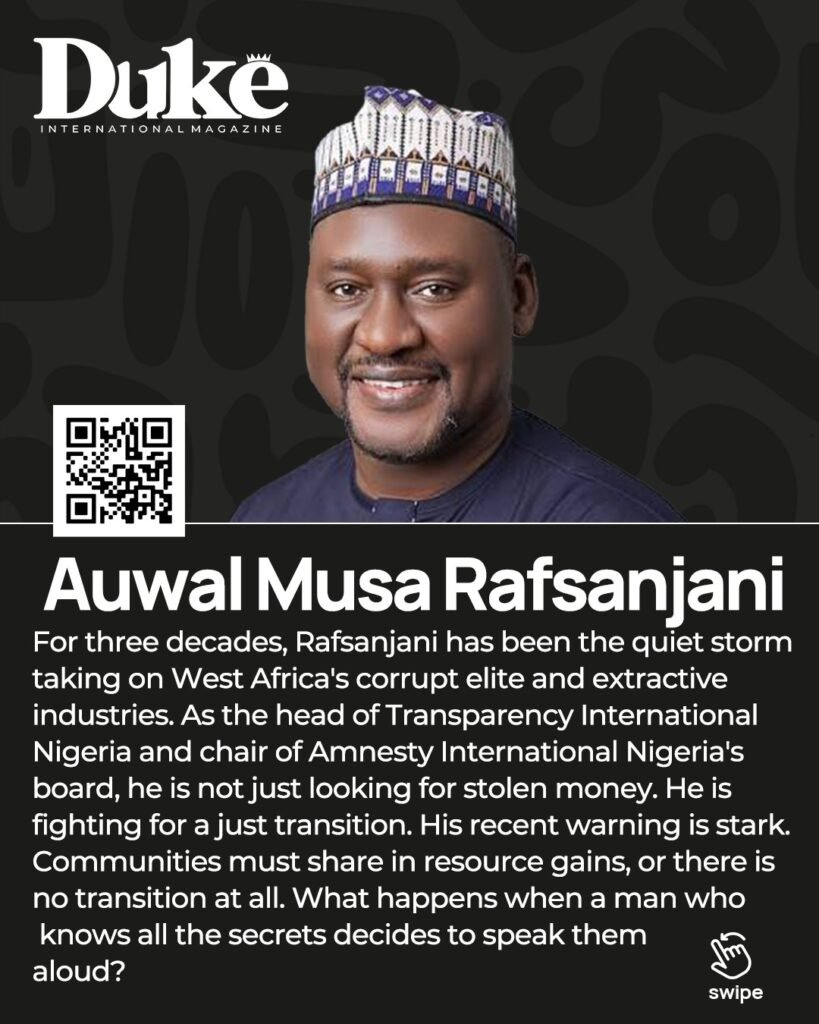
Auwal Musa Rafsanjani: The Anti-Corruption Champion
A prominent Nigerian civil rights leader, Rafsanjani serves as Executive Director of the Civil Society Legislative Advocacy Centre (CISLAC) and Head of Transparency International in Nigeria.
He chairs the Board of Trustees of Amnesty International Nigeria, leads the Zero Corruption Coalition, and has spent over three decades advancing extractive transparency, anti-corruption reforms, and human rights across West Africa. “There is no just transition if communities do not share in its gains,” he recently warned, calling for a people-centred resource framework.
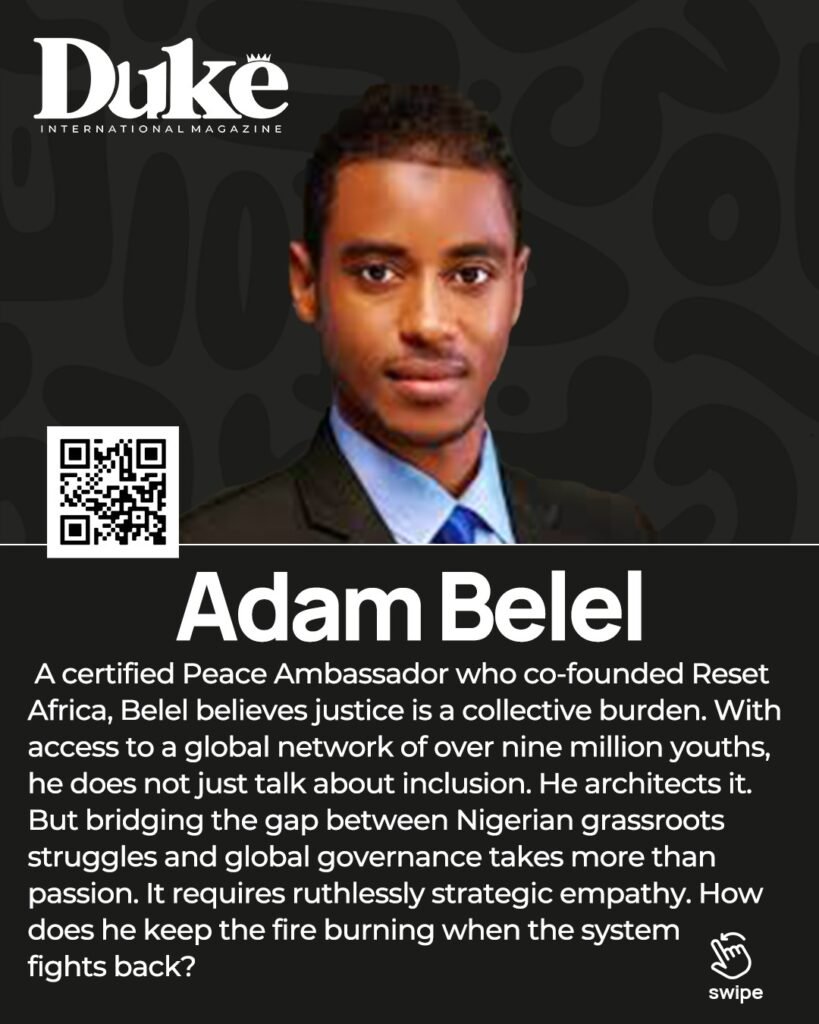
Adam Belel: The Pan-African Peace Builder
A certified Peace Ambassador and Executive Fellow, Adam Belel has emerged as one of Nigeria’s most inspiring advocates for justice, inclusion, and good governance. He has been an active member of Amnesty International and the World Youth Alliance, a global network of over nine million young people, and co-founded the Reset Africa Foundation.
“I firmly believe that it is our collective responsibility to stand up against injustice and work tirelessly to bring about positive change,” Belel says. He is a recipient of the UN Eminent Ambassador Award and the Commonwealth Ambassador Award.
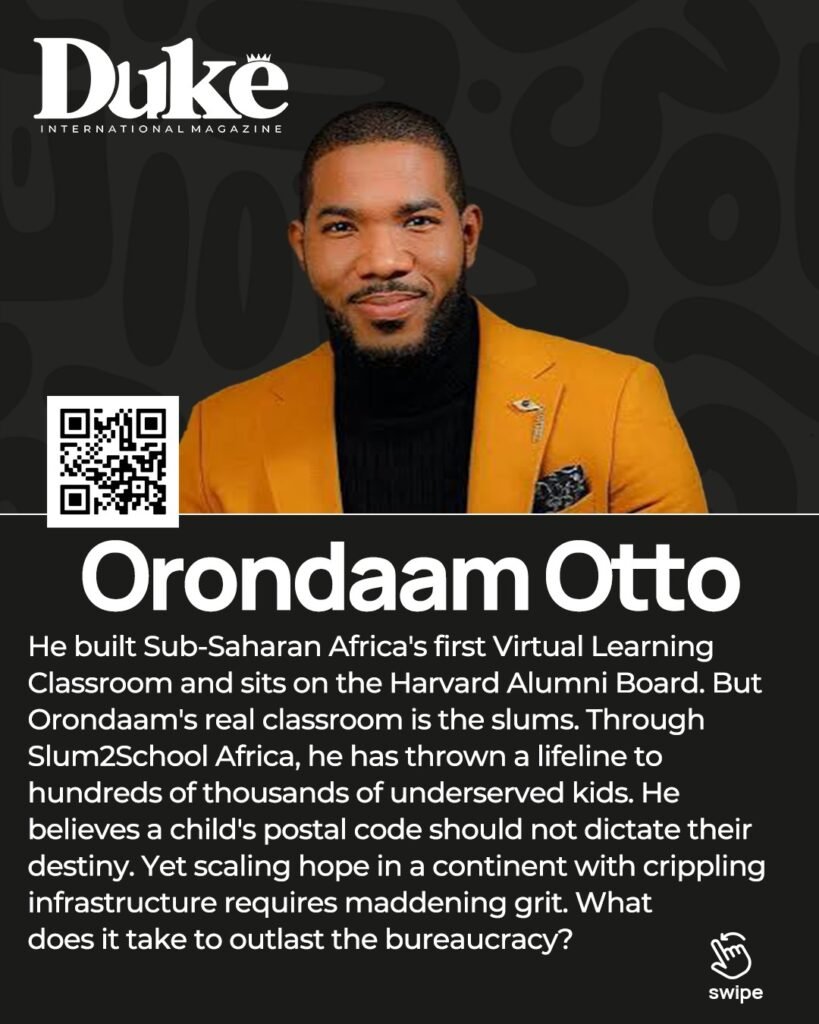
Orondaam Otto: The Education Revolutionary
Orondaam Otto, founder of Slum2School Africa, has provided educational access to hundreds of thousands of children across underserved communities. Named to the World Economic Forum’s Young Global Leaders Class of 2025, he built the first Virtual Learning Classroom in Sub-Saharan Africa.
“That every child, no matter where they’re born, deserves the chance to dream big and thrive,” Otto says. His work has earned him recognition from Harvard Kennedy School, where he serves on the Alumni Board, and two Future Awards Africa prizes.
Chad Dion Lassiter: The Racial Justice Leader
Chad Dion Lassiter serves as Executive Director of the Pennsylvania Human Relations Commission, bringing more than 20 years of experience working to eliminate racism and build inclusive communities.
He co-founded Black Men at Penn, the first Ivy League Black male group of social workers. Lassiter has been named among the Most Influential African Americans and continues to be a leading voice for racial justice across the United States.
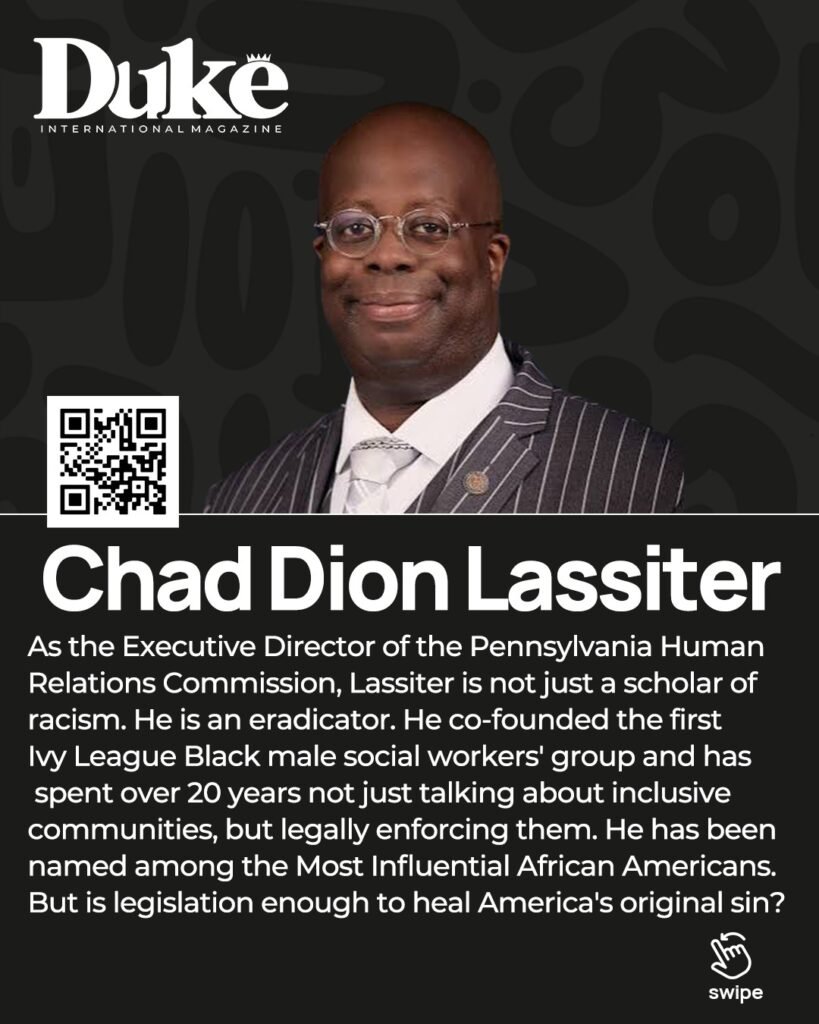
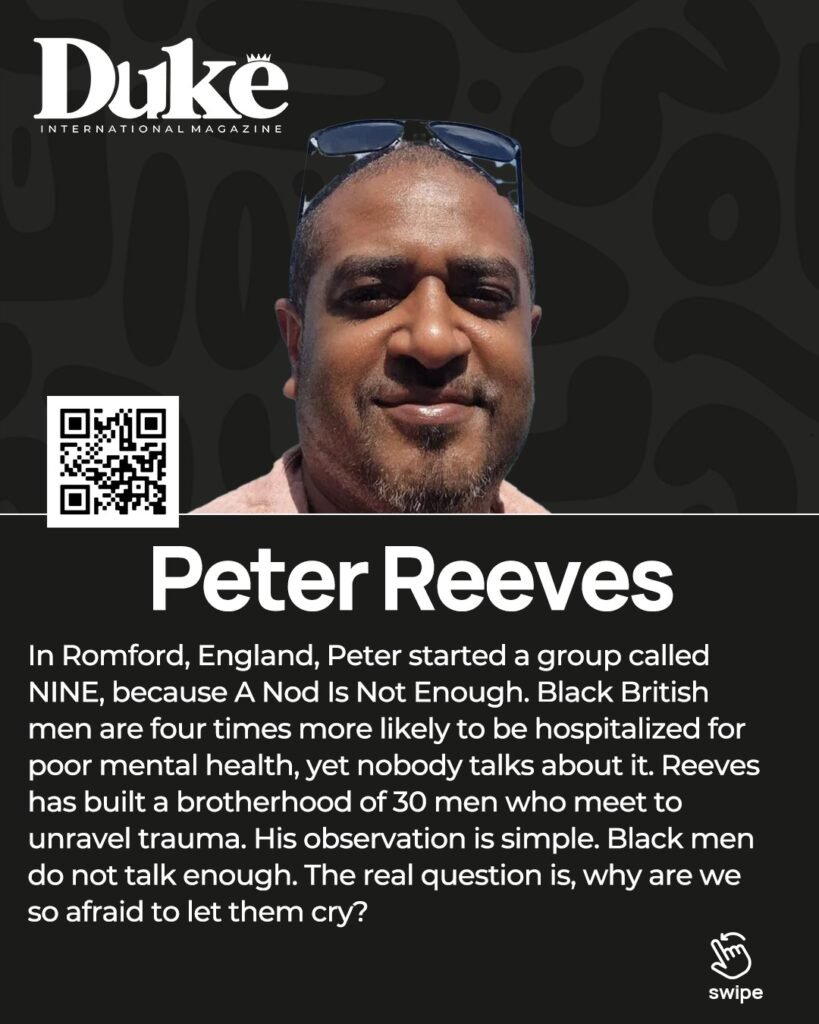
Peter Reeves: The Mental Health Pioneer
Peter Reeves, from Romford, England, started a movement to get Black men to talk openly about their experiences with trauma. His group NINE, or “A Nod Is Not Enough”, now has about 30 members across Essex and London.
“Black men don’t talk enough,” Reeves observes. “We don’t talk about our emotions and that’s only holding us back.” Given that Black British men are four times more likely to be hospitalized for poor mental health than white men, this work is urgently needed.
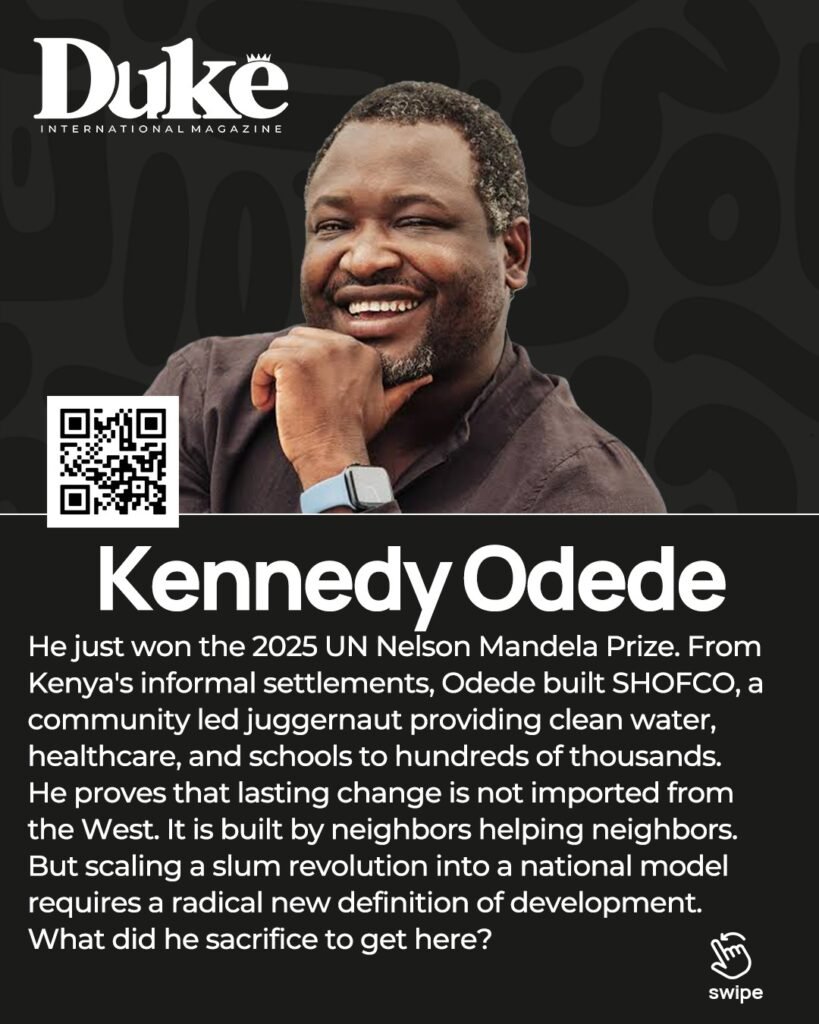
Kennedy Odede: The Community Development Visionary
Dr. Kennedy Odede was awarded the 2025 UN Nelson Mandela Prize for leading SHOFCO’s community-led development work in Kenya’s urban informal settlements.
His organization has transformed lives in some of Kenya’s poorest communities, providing clean water, healthcare, education, and economic opportunities to hundreds of thousands of people. Odede’s work exemplifies how grassroots activism can create lasting, systemic change.
The Thread That Binds Them
What unites these activists across generations, borders, and causes is a shared conviction that community is the engine of change. Whether tracking billions in government funds, sheltering asylum seekers, breaking the silence on mental health, or fighting for climate justice, they are not waiting for permission. They are building, mentoring, organizing, and transforming lives, one community at a time.
As Marshall Hatch Jr., another activist named to the TIME100 Next list, once said when asked what the honor meant to him: “I am, because we are.” It is the ancient African philosophy that reminds us our humanity is intertwined with the humanity of others, and these ten men are living proof that when one rises, we all rise.