

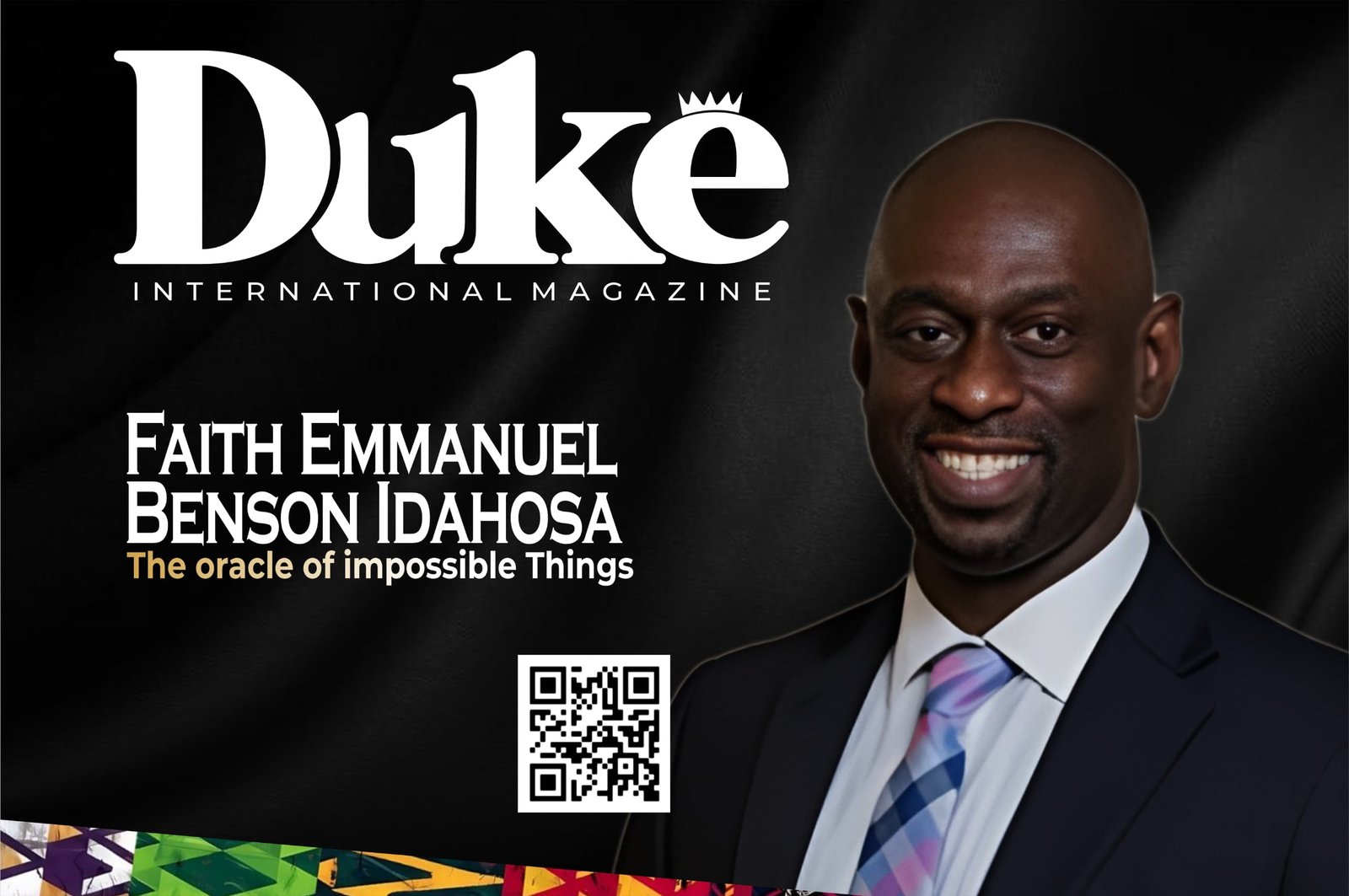
In the red-dust streets of Benin City, a boy once laughed at for his frailty grew into a man who would command the attention of continents. Faith Emmanuel Benson Idahosa, known to millions simply as Archbishop Idahosa, did not inherit a pulpit. He carved one from raw audacity and a stubborn belief that the miraculous had no expiry date.
Born into profound lack, Idahosa claimed his first victory as a child when he survived a sickness that physicians could not cure. That narrow escape became the blueprint for his entire ministry. He refused to treat divine healing as a doctrine to be studied.
Instead, he presented it as a currency to be spent. His open-air crusades drew hundreds of thousands, where he would point a finger at a blind eye or a twisted limb and dare heaven to prove itself. Enough witnesses swore that heaven obliged.
Yet Idahosa was no mere revivalist. He possessed a builder’s mind. He founded the Church of God Mission International and, against the advice of nearly every elder, erected a university on swampy ground when few African Pentecostals thought formal education necessary.
He trained pastors, printed literature, and took his uncompromising message to the White House and to Buckingham Palace, becoming the first Pentecostal bishop to gain such access from Africa.
When he died in a motor accident in 1998, the mourning was immediate and continental. Detractors had called him a showman. Supporters called him a father. The truth is simpler. Before Idahosa, African Pentecostalism was a whispered prayer in a back room.
After Idahosa, it became a roar heard around the world. He did not promise easy miracles. He promised that nothing was impossible for a person who refused to stop believing. And he proved it until his final day.