

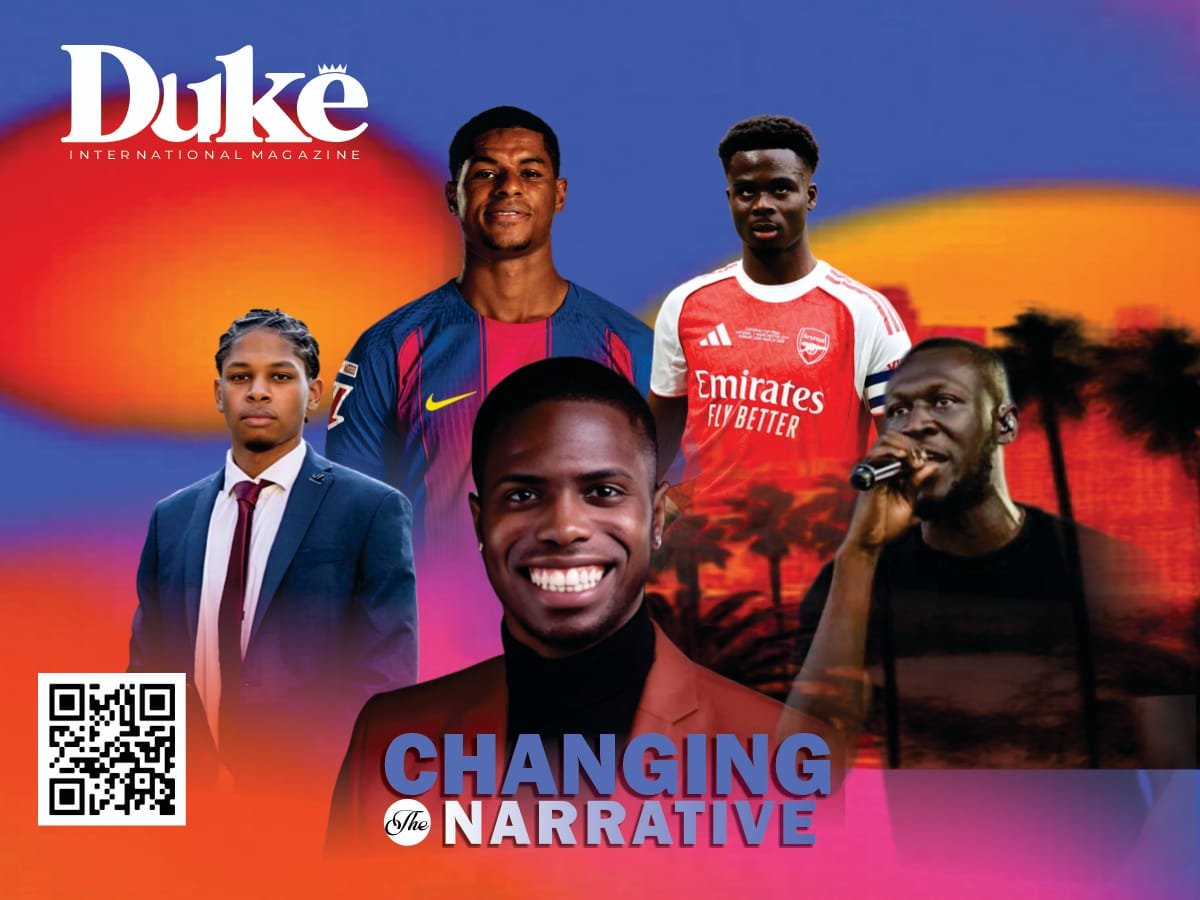
For many years, some young boys in society, particularly within inner-city and underserved communities, were often associated with truancy, disengagement from formal education, and exposure to difficult environments.
In certain contexts, this also included influence from peer pressure and risky social behaviours such as smoking, gambling, and unstructured nightlife culture. These realities were frequently shaped less by individual intent and more by broader social and economic challenges that affected opportunity, guidance, and stability during formative years.
However, what is increasingly evident today is a significant shift in trajectory. Many of these same young men are now demonstrating accountability, rebuilding direction, and actively choosing pathways centred on leadership, education, entrepreneurship, and civic engagement. Rather than being defined by early circumstances or missteps, they are becoming examples of personal development, discipline, and social contribution.
This transformation is not accidental. It reflects the growing impact of mentorship, access to opportunity, stronger community support systems, and an increasing awareness among young people about long-term consequences and possibilities. Where disengagement once appeared more visible, there is now an emerging culture of ownership, responsibility, and intentional decision-making among young men determined to redefine their futures.
In the United Kingdom, Dylan Law exemplifies this shift at a structural level. Rising to the position of Deputy Mayor of Hackney at just 20 years old, he represents a new generation of youth entering governance and public service. His trajectory reflects a move from the social pressures often associated with urban youth environments to active participation in civic leadership and policy influence, demonstrating how young people can become contributors to meaningful societal change.
Similarly, Kayode Damali illustrates the expanding presence of young men in local political ambition and community-focused leadership. Transitioning from entrepreneurial and public-facing work into political engagement, his involvement reflects a broader generational pattern in which young men are increasingly positioning themselves as stakeholders in the governance and development of their communities rather than remaining disconnected from them.
Beyond local leadership, the United Kingdom has also seen broader representation through figures such as Marcus Rashford. Drawing from lived experience, he has successfully influenced national policy conversations around child food poverty, demonstrating how young public figures can translate personal history into structured advocacy and meaningful social reform that reaches national decision-making levels.
Similarly, Stormzy has used cultural influence to invest in education and social mobility initiatives, including scholarships for underrepresented students. His work reflects a wider understanding of responsibility beyond artistic success, extending into tangible community impact and long-term investment in future generations.
In sport, Bukayo Saka continues to represent consistency, discipline, and emotional maturity at elite levels of performance. His public image has become strongly associated with professionalism and humility, offering a positive counter-narrative to long-standing stereotypes about young Black men in public life and high-performance environments.
Together, these examples illustrate a broader cultural and generational shift. The entertainment and digital media space has also contributed significantly to this evolution, with young male creators increasingly using platforms to promote education, financial literacy, mental well-being, and personal development. Influence is gradually being redefined as a tool for awareness, growth, and empowerment rather than disengagement.
Importantly, this shift does not imply that social challenges have disappeared. Many young men continue to face unemployment, inequality, peer pressure, and systemic barriers that affect opportunity and progression. However, what is changing is the response. Increasingly, young people are choosing responsibility over recklessness, structure over instability, and long-term purpose over short-term limitation.
The journeys of figures like Dylan Law and Kayode Damali reflect this broader global movement. Across different sectors, young men are increasingly stepping into roles that require accountability, vision, discipline, and sustained commitment to community development and public service.
Ultimately, changing the narrative is not about ignoring past realities, but about recognising transformation. It is about acknowledging that early exposure to difficult environments does not determine future outcomes. With access to opportunity, mentorship, and self-awareness, young men are demonstrating an increasing capacity to evolve into leaders, contributors, and positive forces within their communities.