

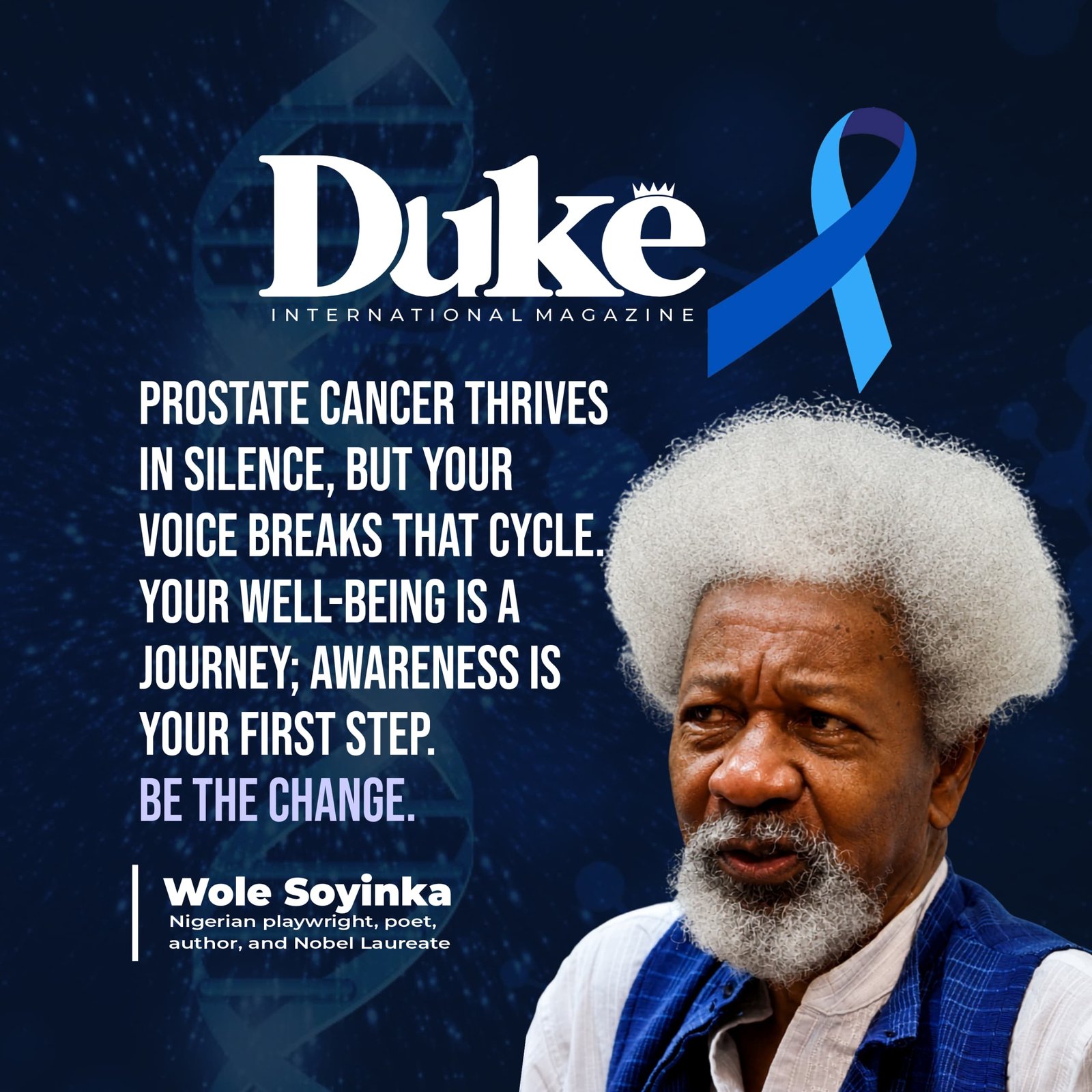
Prostate cancer is one of the most significant health challenges facing men today, yet it remains surrounded by silence, misconceptions, and fear. One of the most important facts to understand is that prostate cancer is not contagious.
It cannot be transmitted through physical contact, shared meals, or close proximity to another person. Rather, it develops within the body over time as a result of complex interactions between genetic, biological, environmental, and lifestyle factors. Understanding how the disease develops is a crucial step toward prevention, early detection, and better health outcomes.
The disease begins in the prostate gland, a small walnut-sized organ located below the bladder and found only in males. The prostate plays an essential role in the male reproductive system by producing fluid that nourishes and transports sperm. Prostate cancer develops when cells within the gland undergo genetic changes that cause them to grow and divide uncontrollably.
As these abnormal cells multiply, they can form a tumour that may remain confined to the prostate or, in more advanced cases, spread to other parts of the body. While many prostate cancers grow slowly and may take years or even decades to cause symptoms, others can be aggressive and progress rapidly if left undetected.
Although researchers continue to study the exact causes of prostate cancer, several risk factors have been clearly established. Age remains the most significant predictor, with the likelihood of developing the disease increasing substantially after the age of 50.
Family history also plays a critical role. Men whose fathers, brothers, or close relatives have been diagnosed with prostate cancer face a considerably higher risk themselves. In addition, inherited genetic mutations, particularly in genes such as BRCA2 and HOXB13, have been linked to an increased susceptibility to the disease. These factors highlight the importance of understanding one’s family medical history and discussing potential risks with healthcare professionals.
For Black men, the burden of prostate cancer is especially profound. Studies consistently show that Black men are more likely to be diagnosed with prostate cancer and are significantly more likely to die from the disease than men of other racial groups.
Research suggests that this disparity stems from a combination of genetic predisposition, unequal access to healthcare, delayed diagnosis, socioeconomic challenges, and environmental influences. Chronic stress associated with discrimination, economic hardship, and exposure to violence has also been linked to biological changes that may contribute to inflammation and tumour progression.
Lifestyle factors, including obesity, smoking, and diets high in processed foods, can further increase risk, although age, ancestry, and genetics remain the most influential factors.
Despite these realities, prostate cancer is not a diagnosis that should inspire hopelessness. When detected early, treatment options are highly effective, and survival rates improve dramatically. This is why awareness, education, and regular screening are so important.
The Prostate-Specific Antigen (PSA) test and routine medical consultations can help identify abnormalities before symptoms appear, allowing men to make informed decisions about their health. For Black men and those with a family history of the disease, many health professionals recommend beginning conversations about screening as early as age 40.
Nobel Laureate Wole Soyinka, a prostate cancer survivor, has used his own experience to encourage men to prioritise their health and seek early detection. Reflecting on his journey, he stated: “Cancer is not a death sentence; it is a labour of willpower. Some hard labour is involved, but ultimately, you can be victorious.” His words serve as a powerful reminder that knowledge, vigilance, and timely medical intervention can make a life-changing difference.
This Men’s Health Month, let us challenge the culture of silence that too often surrounds men’s health. Speak openly about prostate cancer. Encourage fathers, brothers, sons, friends, and colleagues to learn their risks and prioritise screening. Every conversation has the power to save a life.
Your voice matters. Your health matters. Get informed, get screened, and take control of your future. The legacy you leave may begin with a single conversation.