

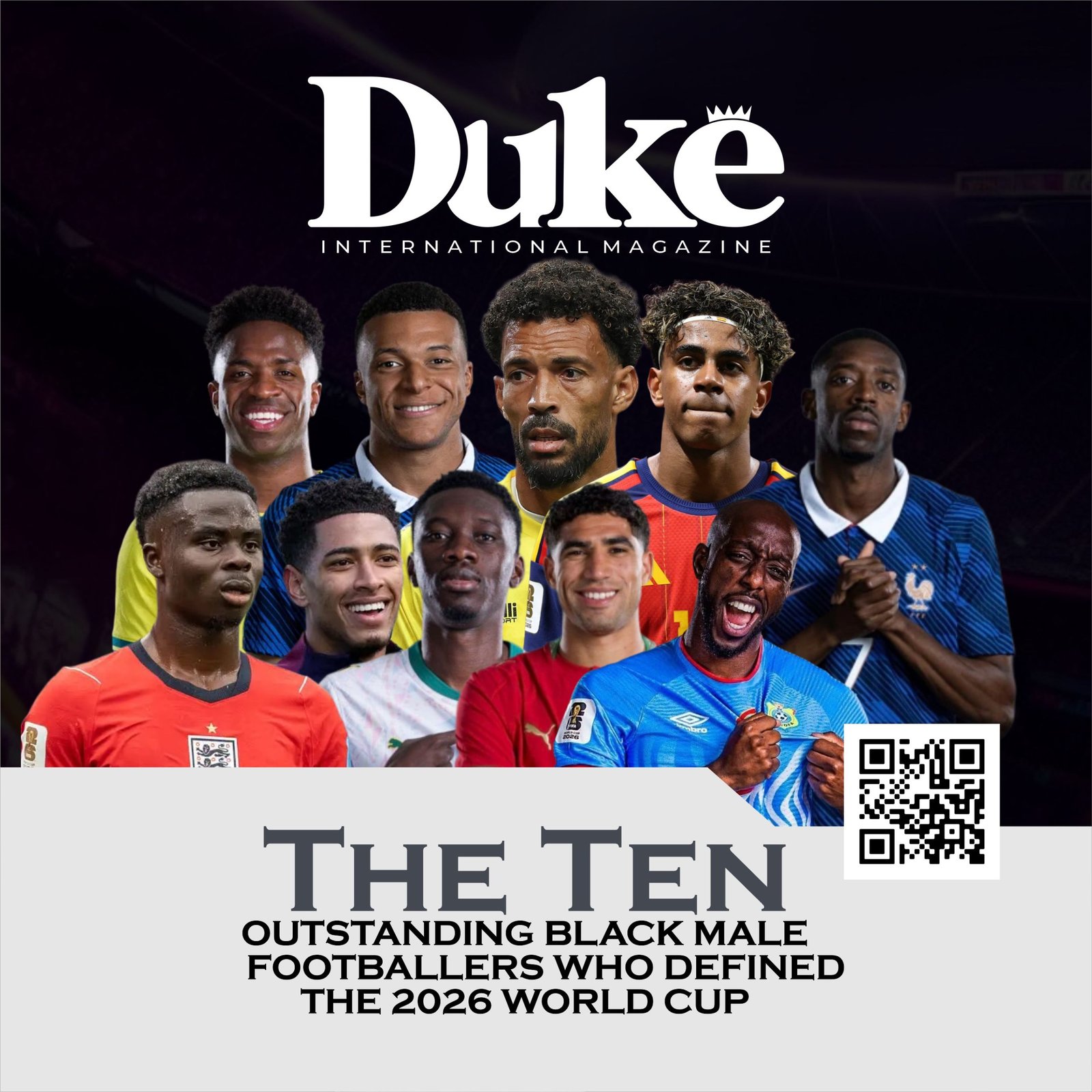
The 2026 World Cup, hosted across the United States, was a tournament that showcased the very best of global football.
Among the many stars who illuminated the competition, black footballers were particularly outstanding, delivering performances of breathtaking skill, resilience, and match-winning quality. From record-breaking goalscorers to defensive rocks, these ten players stood out as the finest black male footballers of the tournament.
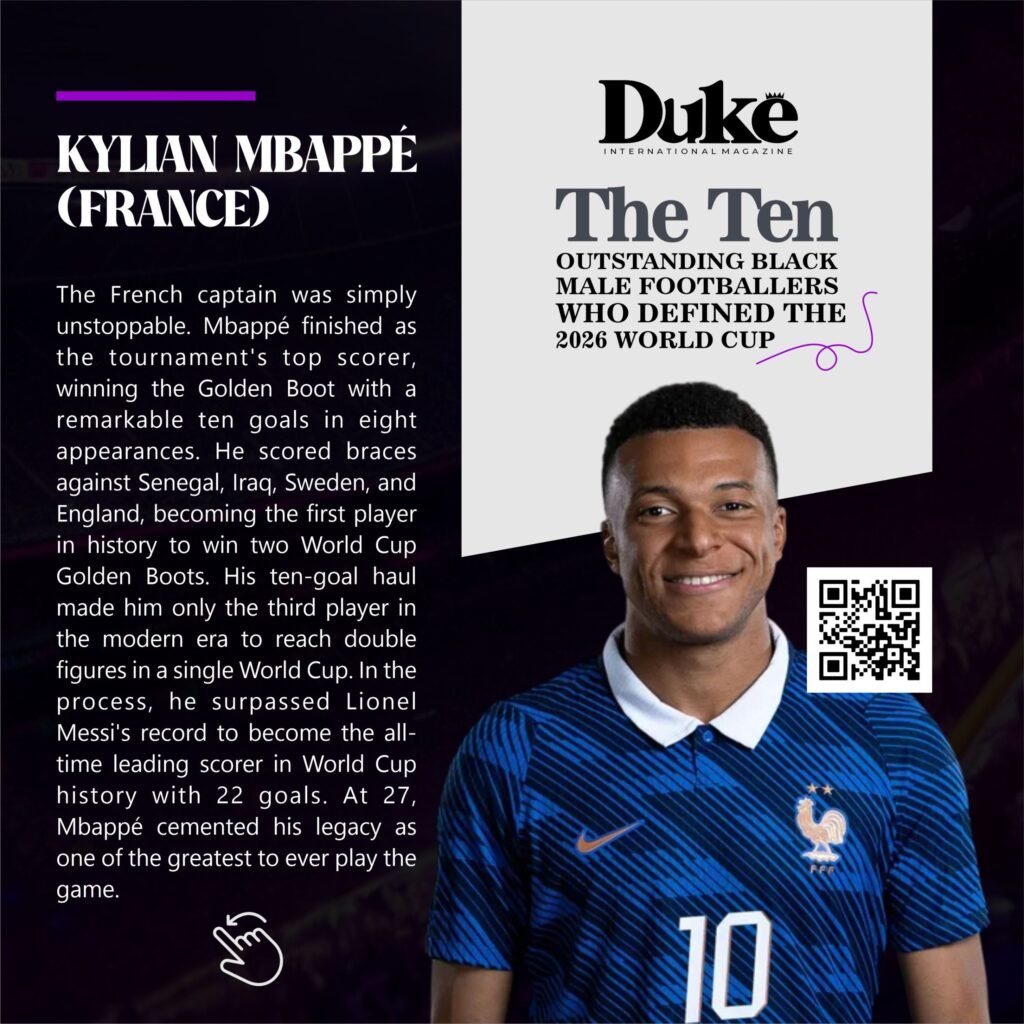
- Kylian Mbappé (France)
The French captain was simply unstoppable. Mbappé finished as the tournament’s top scorer, winning the Golden Boot with a remarkable ten goals in eight appearances. He scored braces against Senegal, Iraq, Sweden, and England, becoming the first player in history to win two World Cup Golden Boots.
His ten-goal haul made him only the third player in the modern era to reach double figures in a single World Cup. In the process, he surpassed Lionel Messi’s record to become the all-time leading scorer in World Cup history with 22 goals. At 27, Mbappé cemented his legacy as one of the greatest to ever play the game.
- Jude Bellingham (England)
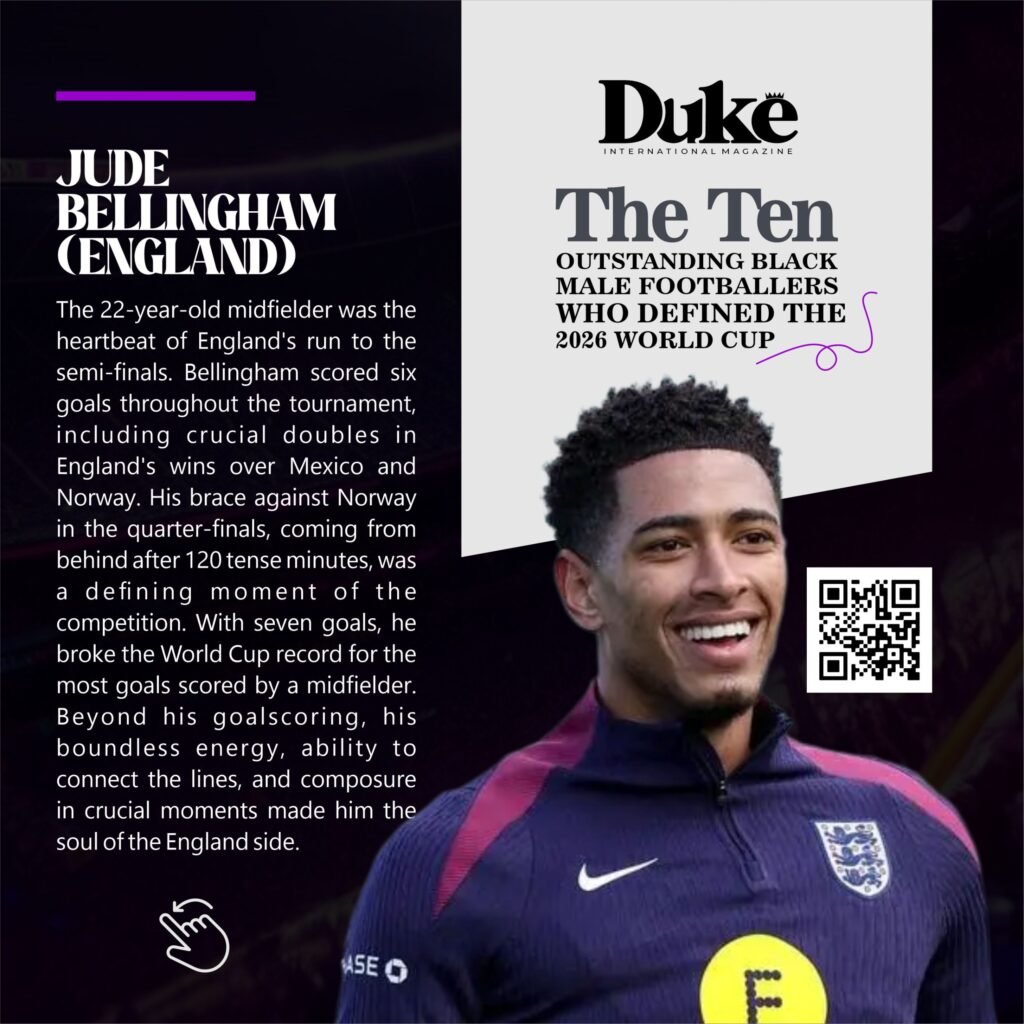
The 22-year-old midfielder was the heartbeat of England’s run to the semi-finals. Bellingham scored six goals throughout the tournament, including crucial doubles in England’s wins over Mexico and Norway.
His brace against Norway in the quarter-finals, coming from behind after 120 tense minutes, was a defining moment of the competition. With seven goals, he broke the World Cup record for the most goals scored by a midfielder. Beyond his goalscoring, his boundless energy, ability to connect the lines, and composure in crucial moments made him the soul of the England side.
- Vinícius Júnior (Brazil)
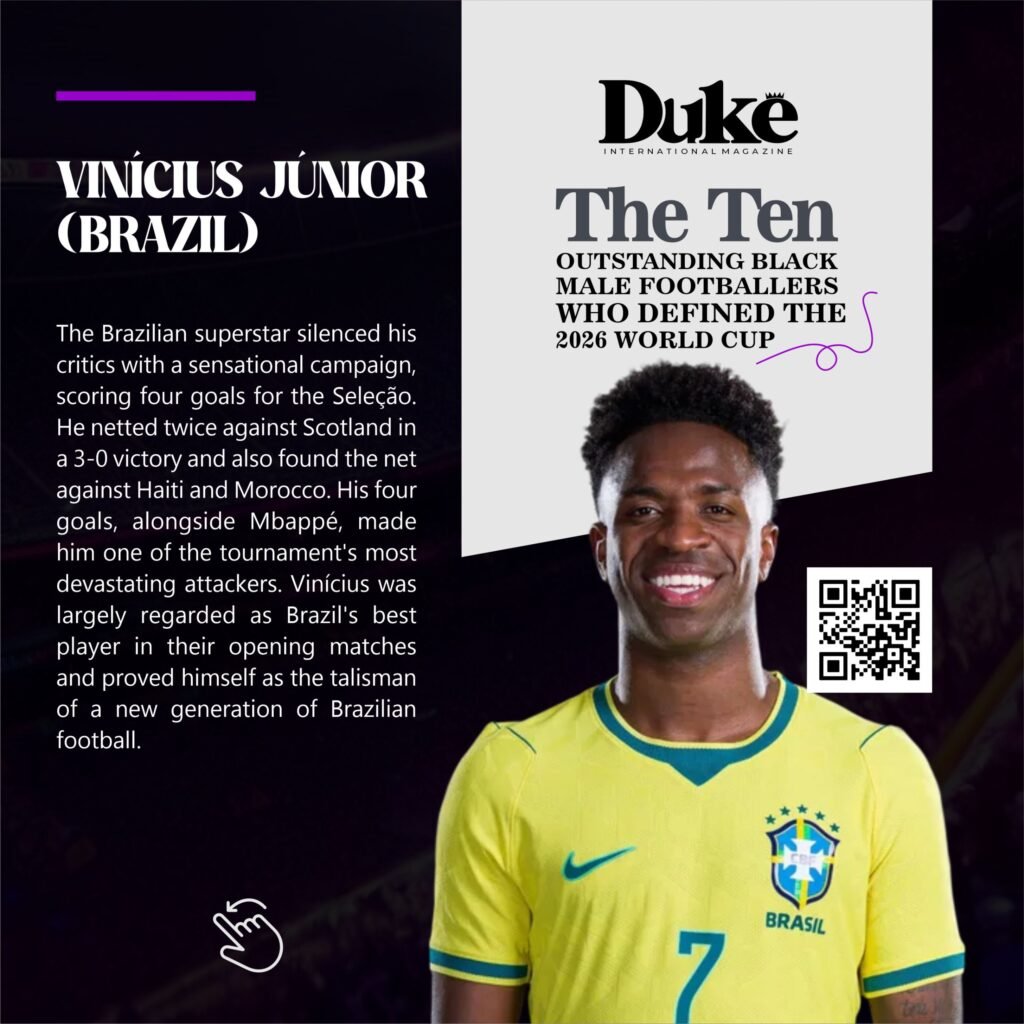
The Brazilian superstar silenced his critics with a sensational campaign, scoring four goals for the Seleção. He netted twice against Scotland in a 3-0 victory and also found the net against Haiti and Morocco.
His four goals, alongside Mbappé, made him one of the tournament’s most devastating attackers. Vinícius was largely regarded as Brazil’s best player in their opening matches and proved himself as the talisman of a new generation of Brazilian football.
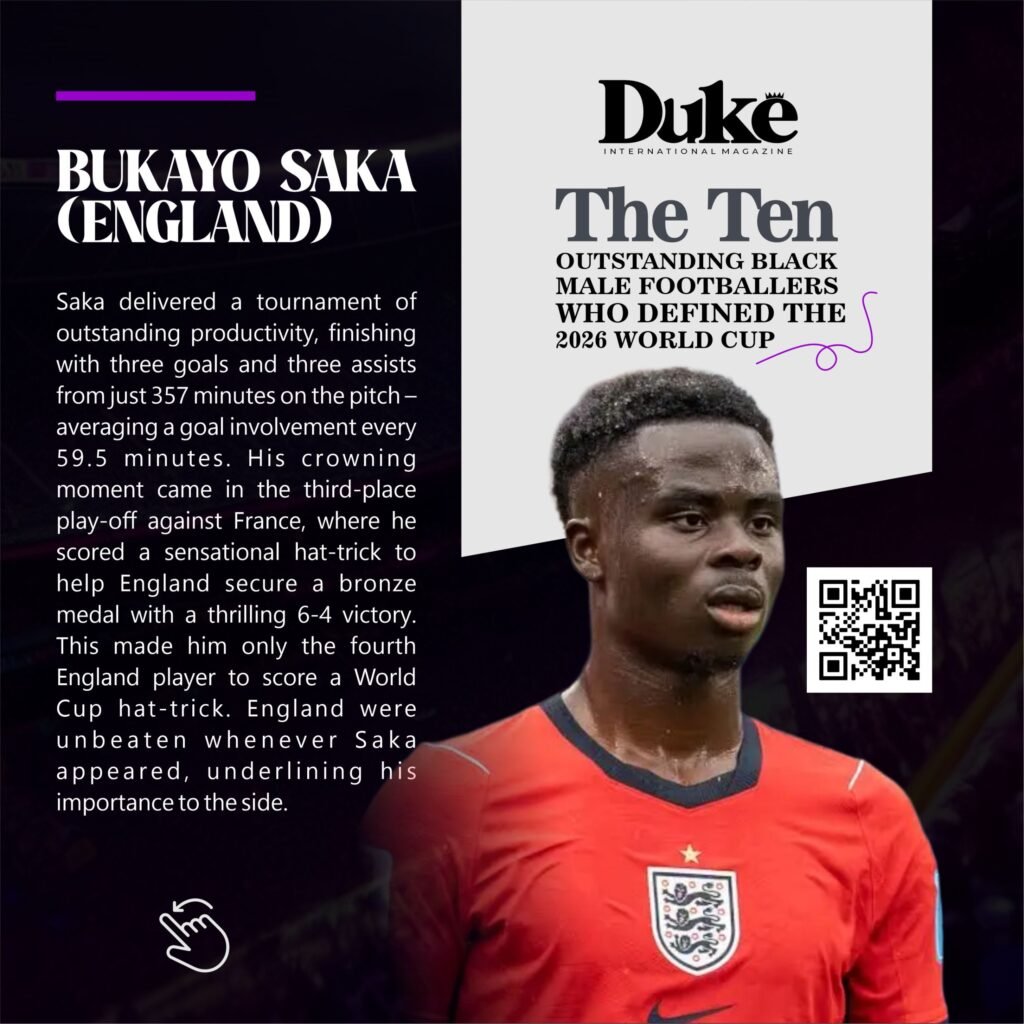
- Bukayo Saka (England)
Saka delivered a tournament of outstanding productivity, finishing with three goals and three assists from just 357 minutes on the pitch – averaging a goal involvement every 59.5 minutes. His crowning moment came in the third-place play-off against France, where he scored a sensational hat-trick to help England secure a bronze medal with a thrilling 6-4 victory.
This made him only the fourth England player to score a World Cup hat-trick. England were unbeaten whenever Saka appeared, underlining his importance to the side.
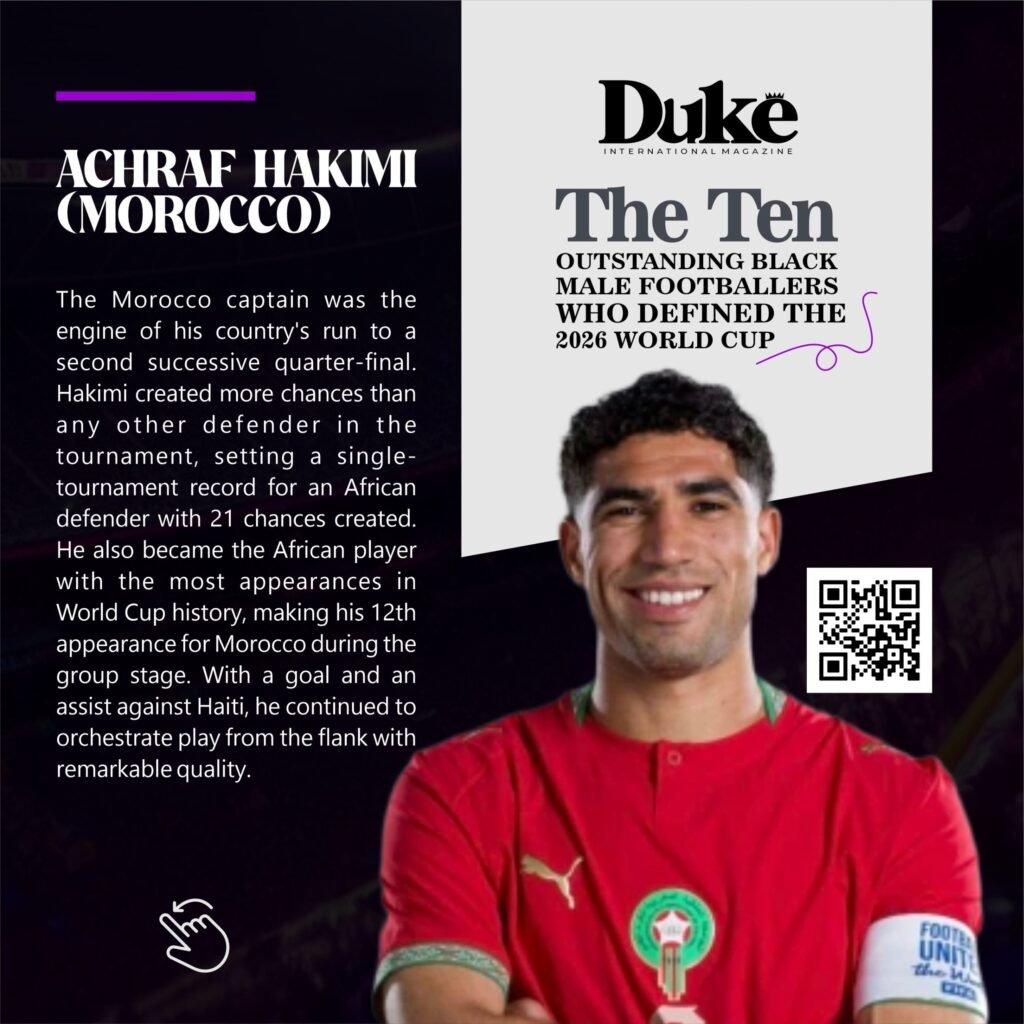
- Achraf Hakimi (Morocco)
The Morocco captain was the engine of his country’s run to a second successive quarter-final. Hakimi created more chances than any other defender in the tournament, setting a single-tournament record for an African defender with 21 chances created.
He also became the African player with the most appearances in World Cup history, making his 12th appearance for Morocco during the group stage. With a goal and an assist against Haiti, he continued to orchestrate play from the flank with remarkable quality.
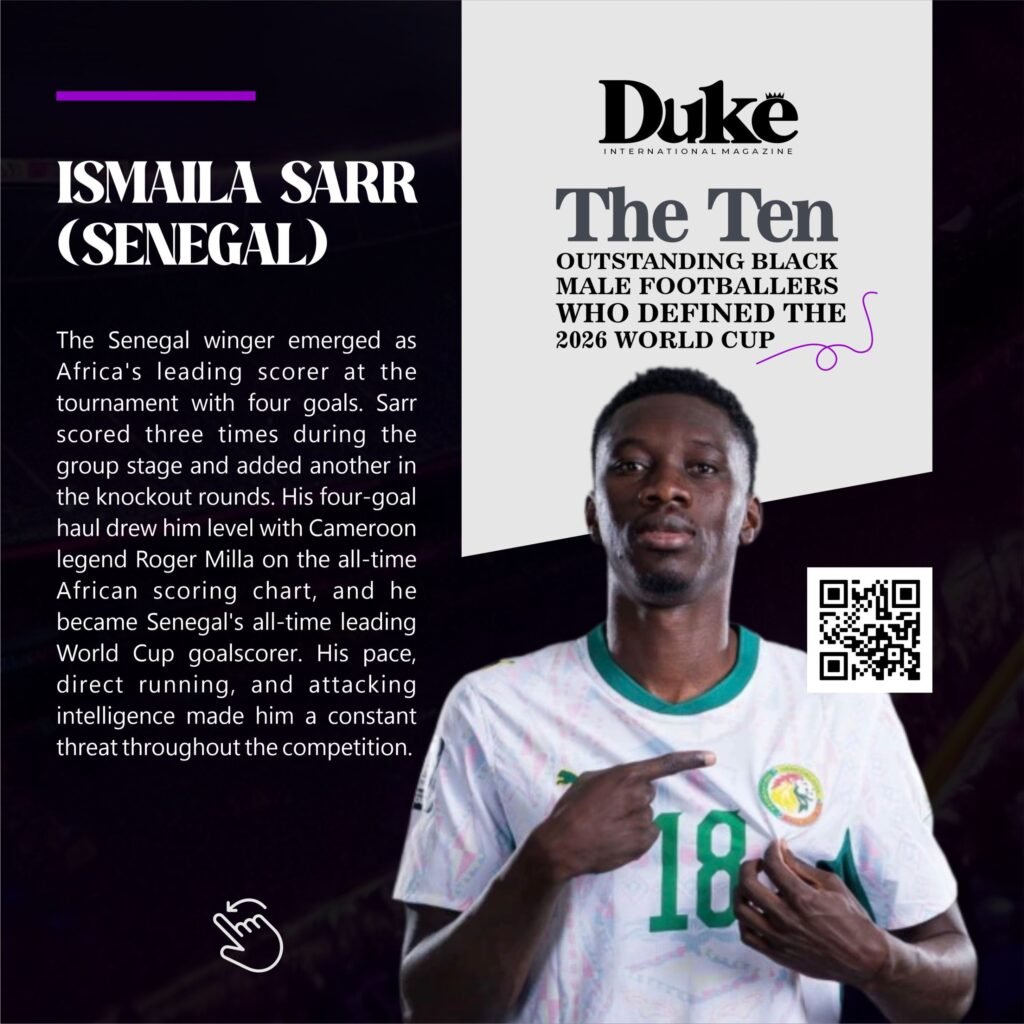
- Ismaila Sarr (Senegal)
The Senegal winger emerged as Africa’s leading scorer at the tournament with four goals. Sarr scored three times during the group stage and added another in the knockout rounds.
His four-goal haul drew him level with Cameroon legend Roger Milla on the all-time African scoring chart, and he became Senegal’s all-time leading World Cup goalscorer. His pace, direct running, and attacking intelligence made him a constant threat throughout the competition.
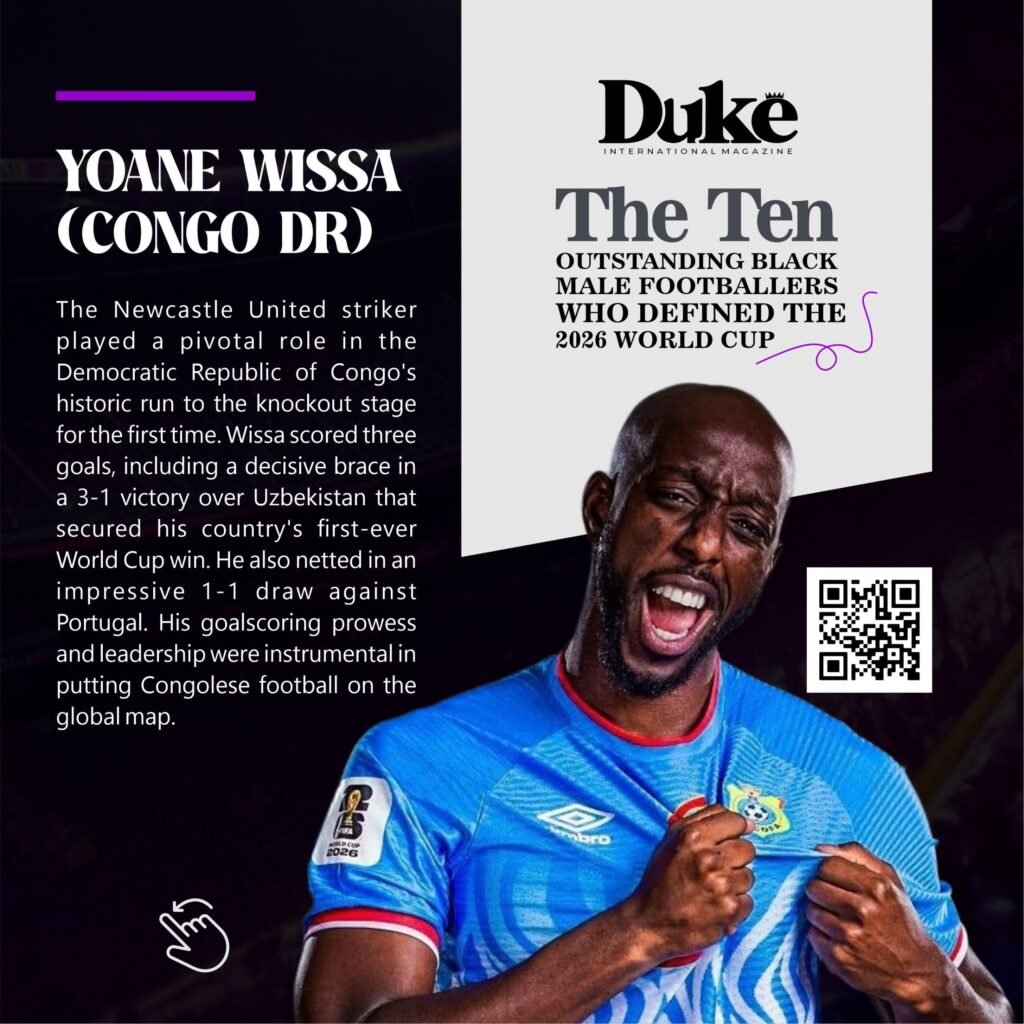
- Yoane Wissa (Congo DR)
The Newcastle United striker played a pivotal role in the Democratic Republic of Congo’s historic run to the knockout stage for the first time. Wissa scored three goals, including a decisive brace in a 3-1 victory over Uzbekistan that secured his country’s first-ever World Cup win. He also netted in an impressive 1-1 draw against Portugal. His goalscoring prowess and leadership were instrumental in putting Congolese football on the global map.
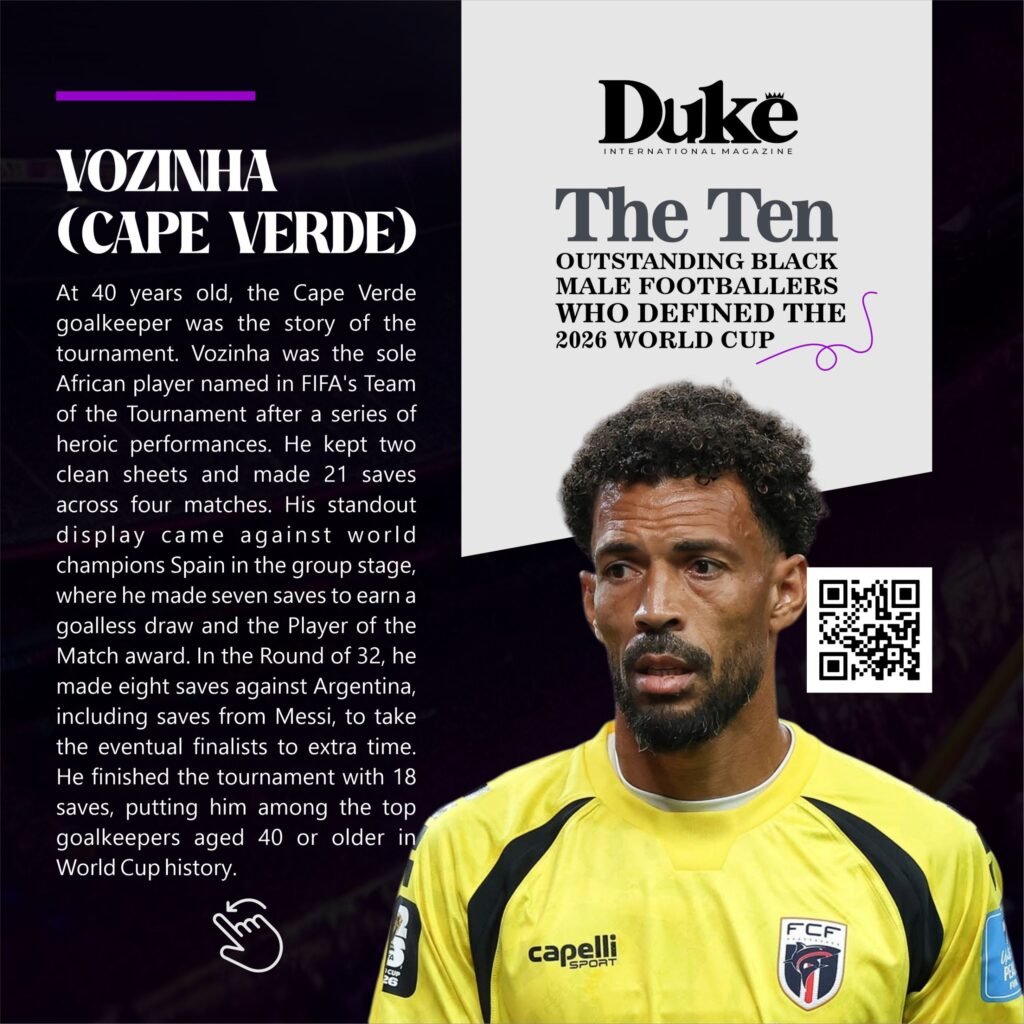
- Vozinha (Cape Verde)
At 40 years old, the Cape Verde goalkeeper was the story of the tournament. Vozinha was the sole African player named in FIFA’s Team of the Tournament after a series of heroic performances. He kept two clean sheets and made 21 saves across four matches.
His standout display came against world champions Spain in the group stage, where he made seven saves to earn a goalless draw and the Player of the Match award. In the Round of 32, he made eight saves against Argentina, including saves from Messi, to take the eventual finalists to extra time. He finished the tournament with 18 saves, putting him among the top goalkeepers aged 40 or older in World Cup history.
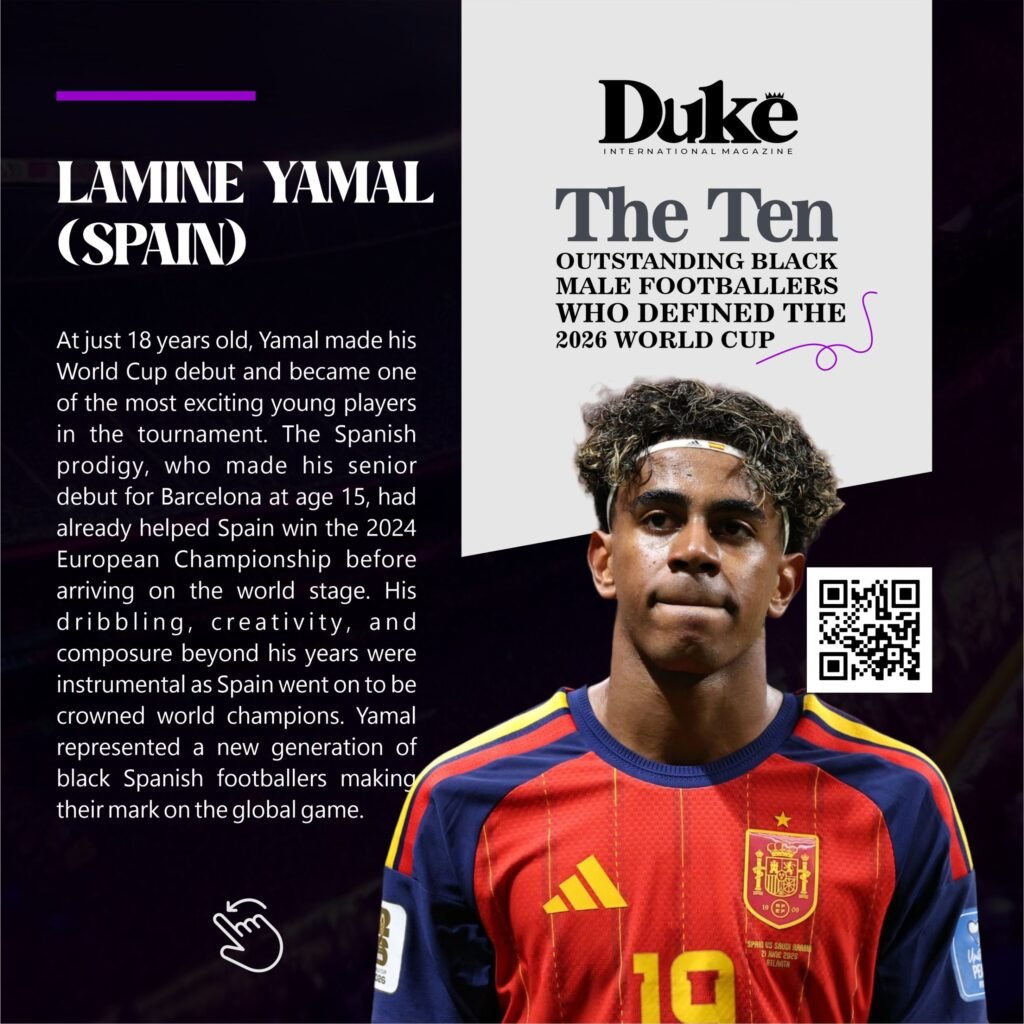
- Lamine Yamal (Spain)
At just 18 years old, Yamal made his World Cup debut and became one of the most exciting young players in the tournament. The Spanish prodigy, who made his senior debut for Barcelona at age 15, had already helped Spain win the 2024 European Championship before arriving on the world stage.
His dribbling, creativity, and composure beyond his years were instrumental as Spain went on to be crowned world champions. Yamal represented a new generation of black Spanish footballers making their mark on the global game.
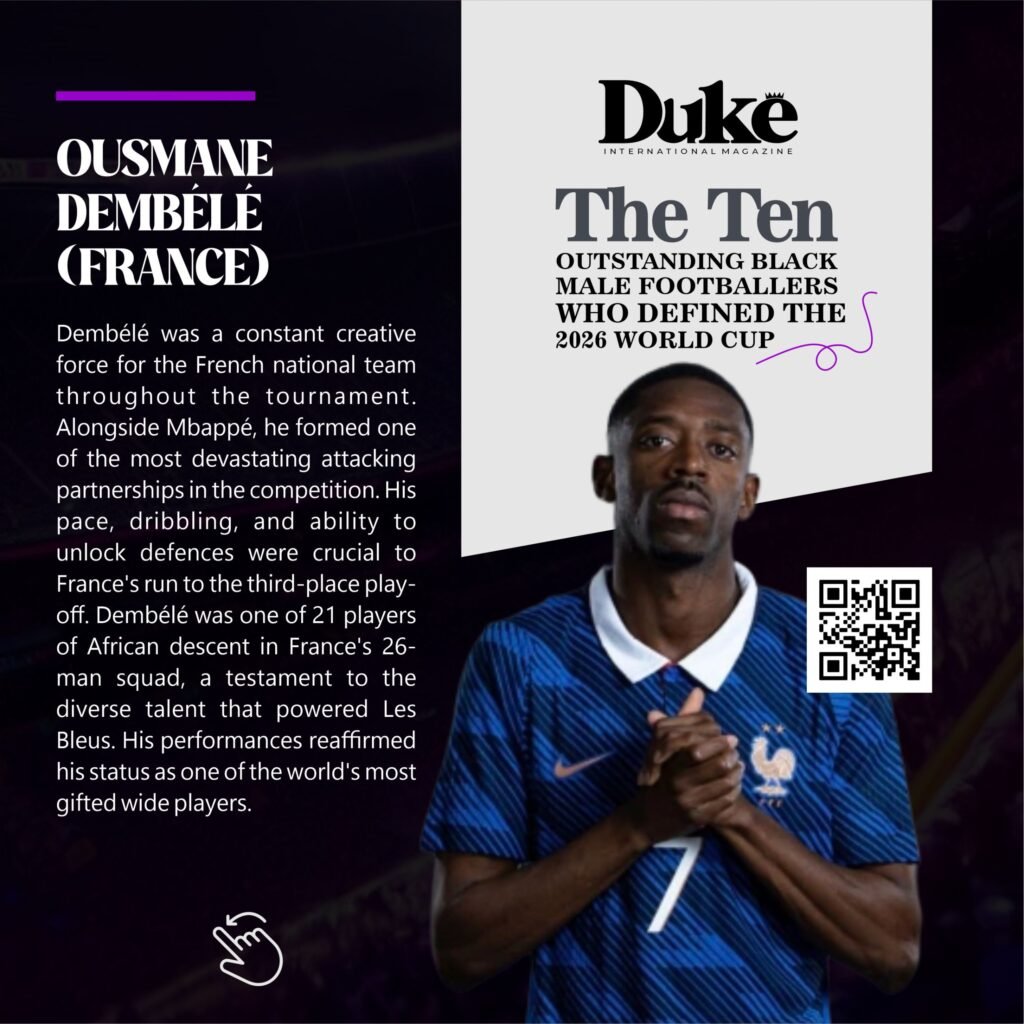
- Ousmane Dembélé (France)
Dembélé was a constant creative force for the French national team throughout the tournament. Alongside Mbappé, he formed one of the most devastating attacking partnerships in the competition.
His pace, dribbling, and ability to unlock defences were crucial to France’s run to the third-place play-off. Dembélé was one of 21 players of African descent in France’s 26-man squad, a testament to the diverse talent that powered Les Bleus. His performances reaffirmed his status as one of the world’s most gifted wide players.
These ten players, hailing from nations across the globe, embodied the extraordinary talent and diversity that made the 2026 World Cup such a memorable tournament. From record-breaking goalscorers to defiant goalkeepers, they proved that black footballers continue to shape and elevate the beautiful game at its highest level.