

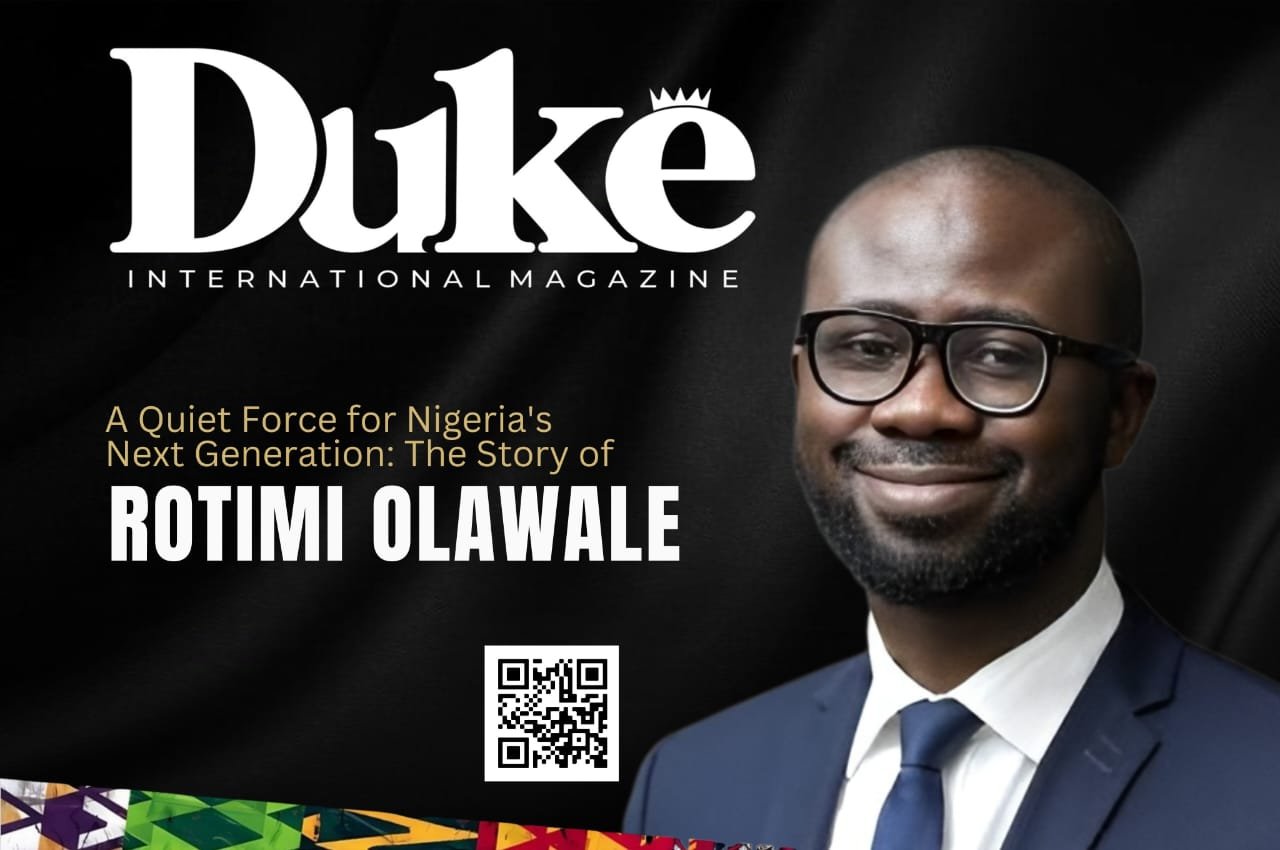
In the dynamic and often noisy landscape of Nigerian civil society, where urgent causes compete for attention, Rotimi Olawale has carved a distinct path. His work is not characterised by loud declarations but by the steady, strategic cultivation of potential.
As a steadfast advocate for youth development and democratic engagement, Olawale operates on a core belief: that the energy and innovation of young people are the most critical, yet underutilised, resources for the nation’s future.
Olawale’s commitment to youth empowerment is deeply personal and rooted in his own formative experiences in Nigeria. His perspective was further shaped by international exposure, most notably as a Mandela Washington Fellow in the United States of America, a programme dedicated to nurturing the next generation of African leaders. This blend of local understanding and global insight equipped him with a unique vision for pragmatic change.
This vision found its primary vehicle in Youth Hub Africa, an organisation he co-founded. Rather than imposing solutions, the hub operates as a platform and an enabler. It focuses on building the capacity of young people, providing them with the skills, knowledge, and networks necessary to tackle societal challenges and lead change in their own communities.
Under his guidance, the organisation has implemented significant initiatives such as the National Young Women’s Dialogue, which creates dedicated spaces for young women to engage with policy and leadership, and the Not Too Young To Run advocacy campaign, which successfully championed constitutional reforms to lower the age limit for political office in Nigeria.
His influence extends beyond the programmes he directly oversees. Olawale is recognised as a trusted voice on youth inclusion, frequently consulted by government agencies, international bodies like the United Nations, and civil society groups seeking to design more effective policies for young Nigerians. He champions the idea that youth participation should be systematic and substantial, not merely symbolic.
For Rotimi Olawale, the mission is continuous. It is found in the quiet moments of mentoring a fledgling activist, in the detailed work of policy advocacy, and in the relentless pursuit of a Nigeria where every young person is afforded the opportunity to learn, lead, and contribute.
His story is a testament to the profound impact of dedicated, grassroots-enabled empowerment, proving that nurturing potential is the most sustainable form of progress.