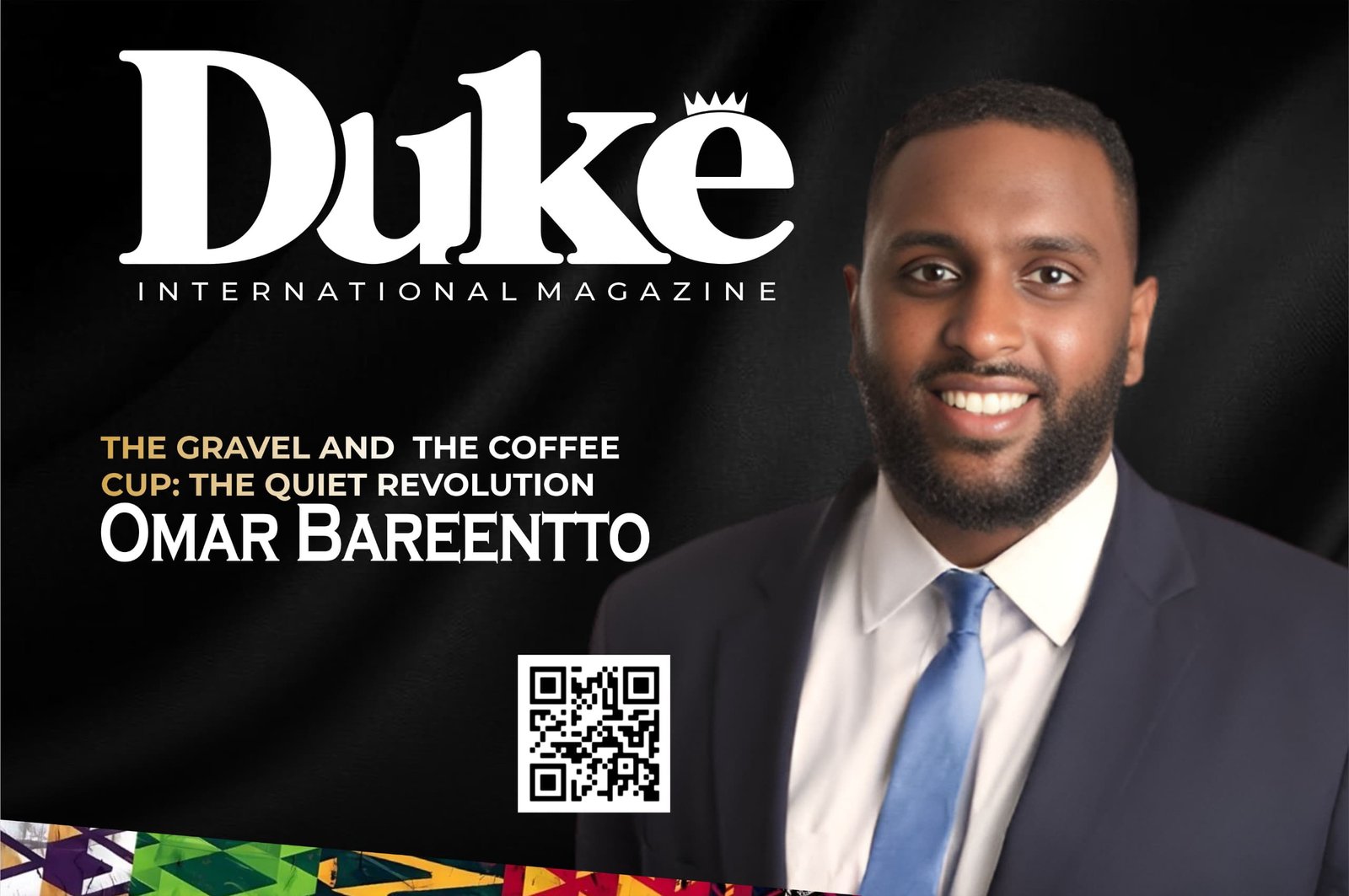
In the polished courtrooms of New Jersey, Omar Bareentto is known as a formidable business litigator, handling complex disputes over securities fraud and shareholder rights. But to the community of Newark, he is something rarer still: a lawyer who refuses to forget where he came from.
Mr Bareentto is a first-generation Oromo-American. His parents fled Ethiopia during the Red Terror of the 1980s, escaping violence and eventually securing asylum in the United States.
That history of displacement did not fade with time; it sharpened. “I cannot remove myself from the refugee narrative,” he has said. His success, he believes, is borrowed from the sacrifices of those who came before him, and it must be repaid.
He repays it daily. As a founding member of The Collective, an organisation of nearly twenty African American male attorneys, he dedicates himself to mentorship and community service.
He teaches as an adjunct professor at Rutgers Law School, guiding students who, like his parents once were, are navigating unfamiliar and unforgiving terrain. “Black lawyers in the ‘70s and ‘80s did not have people that came before them,” he observes. “I have an obligation to share my experiences.”
Yet his most unexpected act of stewardship is not found in a law library. It is found at Qaalii’s Cafe in downtown Newark, a warm and unpretentious gathering spot that Mr Bareentto co-owns.
Named after the Oromo word for ‘high-end’ or ‘precious’, the cafe serves Ethiopian coffee, Afghan tea and Turkish desserts. It is a deliberate celebration of the immigrant mosaic. “My family came here as immigrants, and New Jersey gave us opportunity,” he explains. “Qaalii’s is a tribute to that.”
Recently honoured by the Essex County Board of County Commissioners for Muslim Heritage Month, Mr Bareentto continues to move between two worlds: the adversarial silence of the courtroom and the communal warmth of the coffee shop.
In one, he argues motions; in the other, he brews Ethiopian java. But his purpose never wavers. Whether he is winning a case or pouring a cup, he is building a bridge for the next person to cross.