

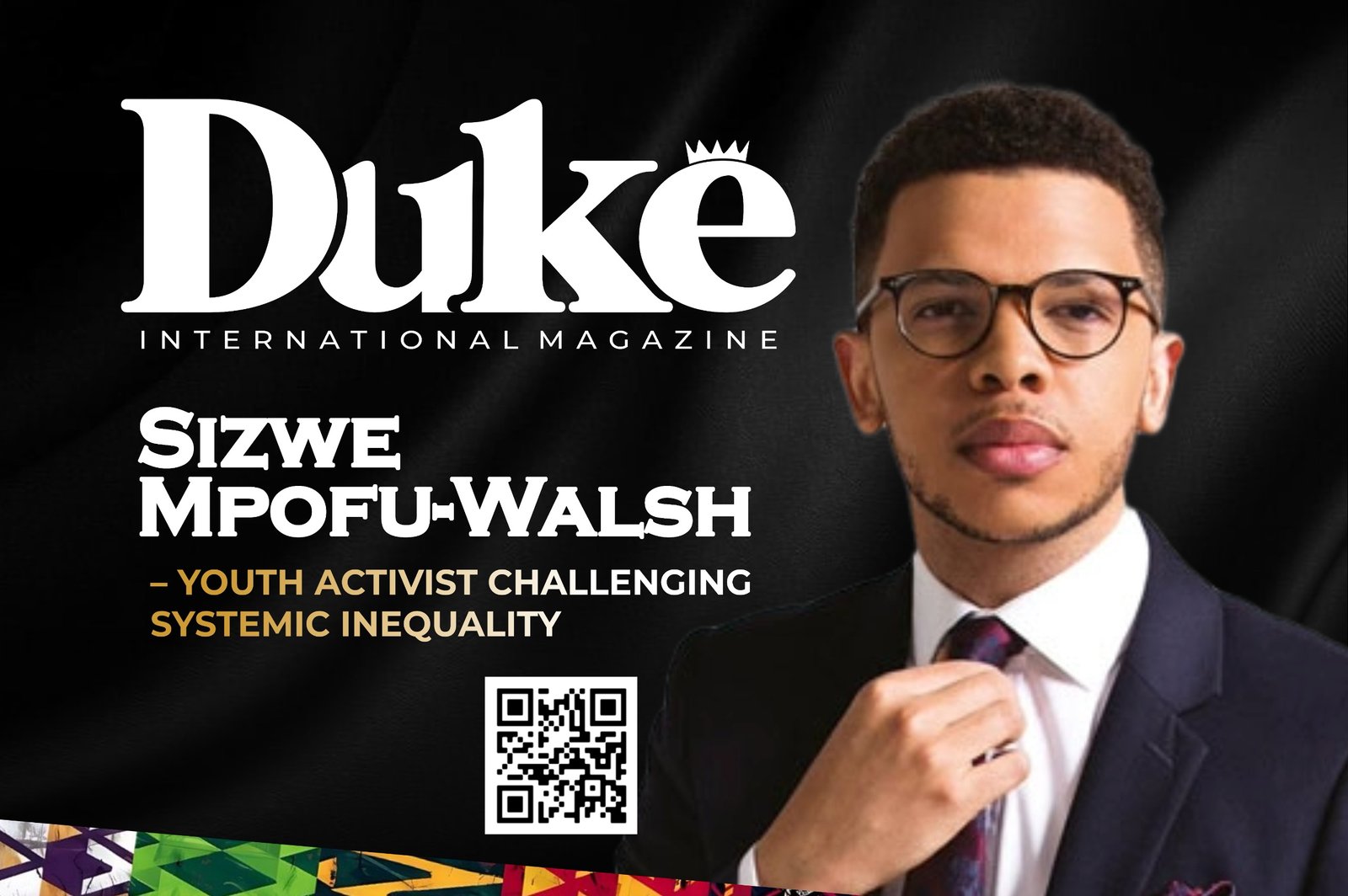
In a world where systemic inequality persists despite decades of social progress, young activists are stepping up to challenge the status quo. Among them is Sizwe Mpofu-Walsh, a South African-born Oxford graduate, author, and musician who has emerged as a powerful voice against racial and economic injustice—not only in his home country but also in Britain. Combining intellectual rigour with grassroots activism, Mpofu-Walsh represents a new generation of leaders unafraid to confront entrenched power structures.
From South Africa to Oxford: The Making of an Activist
Born in Johannesburg in 1993, Sizwe Mpofu-Walsh grew up in a politically charged environment. His father, Dali Mpofu, is a prominent lawyer and anti-apartheid activist, while his mother, Mandi Walsh, comes from a British background. This dual heritage gave him a unique perspective on racial and colonial legacies in both South Africa and the UK.
After completing his undergraduate degree at the University of Cape Town, Mpofu-Walsh won a Rhodes Scholarship to study at Oxford University, where he pursued an MPhil in International Relations. It was here that he began to critically engage with Britain’s own inequalities—particularly those affecting Black and working-class communities.
Confronting Systemic Racism in British Institutions
At Oxford, Mpofu-Walsh became a vocal critic of the university’s colonial legacy and lack of diversity. He co-founded the #RhodesMustFallOxford movement, which sought to remove the statue of Cecil Rhodes from Oriel College due to his role in British imperialism. The campaign sparked national debates about decolonisation, reparations, and institutional racism in elite British spaces.
In interviews and public speeches, Mpofu-Walsh has argued that Britain’s education system perpetuates inequality by glorifying its colonial past while marginalising minority voices. His activism extends beyond symbolism; he advocates for curriculum reform, increased access for working-class students, and reparative justice for former colonies.
“The New Apartheid”: A Framework for Understanding Inequality
In 2021, Mpofu-Walsh published “The New Apartheid”, a book that examines how systemic racism operates in post-apartheid South Africa—but with implications for global inequality, including in Britain. He argues that while formal segregation has ended, economic exclusion, policing disparities, and educational inequity continue to enforce racial hierarchies.
His analysis resonates in the UK, where Black Britons face higher unemployment rates, over-policing, and disproportionate COVID-19 deaths. Mpofu-Walsh highlights how Britain’s hostile environment policies, voter suppression tactics, and media bias mirror the structural oppression seen in other former colonial powers.
Music as a Tool for Resistance
Beyond academia and activism, Mpofu-Walsh is also an accomplished musician, blending hip-hop with political commentary. His album “Democracy and Delusion” critiques corruption and inequality, using art to reach audiences who might not engage with traditional activism.
His music has been featured in British platforms, further amplifying his message. In tracks like “Oxford Blues”, he raps about the elitism and exclusion in Britain’s top institutions, proving that activism can take many forms.
The Future of British Activism
At just 30 years old, Mpofu-Walsh represents a new wave of intersectional, globally conscious activism. He connects struggles across continents, showing how colonialism’s legacy still shapes modern inequality. His work challenges Britain to confront its past and present injustices—whether in universities, policing, or economic policy.
As he continues to write, speak, and create, Mpofu-Walsh remains a crucial voice for young people demanding systemic change. In his own words:
“The fight against inequality isn’t just about removing statues—it’s about dismantling the systems that keep those statues standing.”
For a generation tired of empty promises, his blend of scholarship and activism offers a roadmap for real justice.
Why Sizwe Mpofu-Walsh Matters
- Bridges activism between South Africa and Britain, exposing shared colonial legacies.
- Challenges elite institutions like Oxford to confront their racist histories.
- Uses music and writing to make activism accessible.
- Advocates for reparations, education reform, and economic justice.
In a Britain still grappling with its imperial past, voices like Mpofu-Walsh’s are not just necessary—they’re essential.