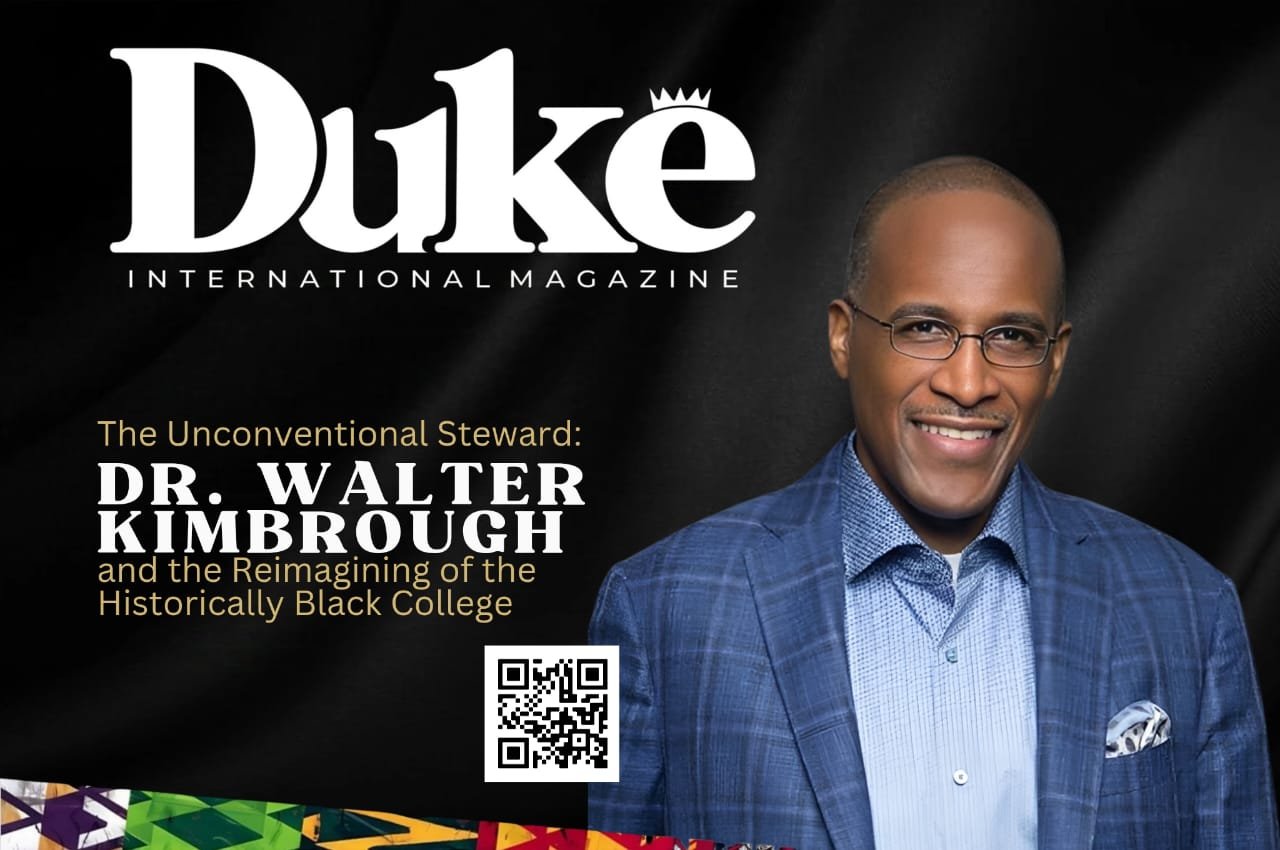
In the landscape of American higher education, where tradition often reigns supreme, Dr. Walter M. Kimbrough has emerged as a dynamic and unconventional force for change. His tenure as a university president, most notably at Dillard University and previously at Philander Smith College, was distinguished not by a strict adherence to convention, but by a deliberate, thoughtful, and often playful engagement with a new generation of students.
His leadership philosophy presents a compelling model: that profound academic rigour and vibrant, authentic cultural relevance are not merely compatible, but essential partners for the modern Historically Black College and University.
Dr. Kimbrough, often hailed as “America’s Hip-Hop President,” earned this moniker not through mere affectation, but through strategic cultural connection. He recognised the powerful narrative and social commentary within hip-hop as a bridge to contemporary student experience. By engaging with this culture—whether through scholarly analysis, inviting artists to campus, or even participating in controlled “step show” battles—he demonstrated a critical understanding.
His approach signalled that the institution respected the whole identity of its students, meeting them within their cultural context to guide them toward broader intellectual horizons. This generated immense goodwill and shattered the stereotype of the remote, detached university leader.
However, to view his presidency solely through this lens would be to misunderstand its foundation. The cultural connectivity was the conduit for a deeper mission: student success and institutional advocacy. Dr. Kimbrough was a tireless and articulate champion for the specific, irreplaceable value of Historically Black Colleges and Universities.
He masterfully utilised social media and public platforms to celebrate their achievements, defend their necessity, and articulate their unique ability to nurture confident, capable graduates in a supportive environment. His leadership was data-informed and relentlessly focused on outcomes, from improving retention rates to strengthening alumni networks.
His style, characterised by a signature bow tie and a candid, approachable manner, represented a conscious recalibration of presidential authority. It spoke of respect for the formality of the office, fused with an accessibility that encouraged dialogue. Following his retirement from the Dillard presidency, his voice remains influential.
Through writing, speaking, and consultancy, Dr. Walter Kimbrough continues to advocate for innovation within tradition, arguing persuasively that to honour the legacy of these vital institutions, one must sometimes have the courage to lead unconventionally. He leaves behind a legacy not simply of buildings built or funds raised, but of a paradigm shifted—proof that effective stewardship can be both scholarly and soulful.