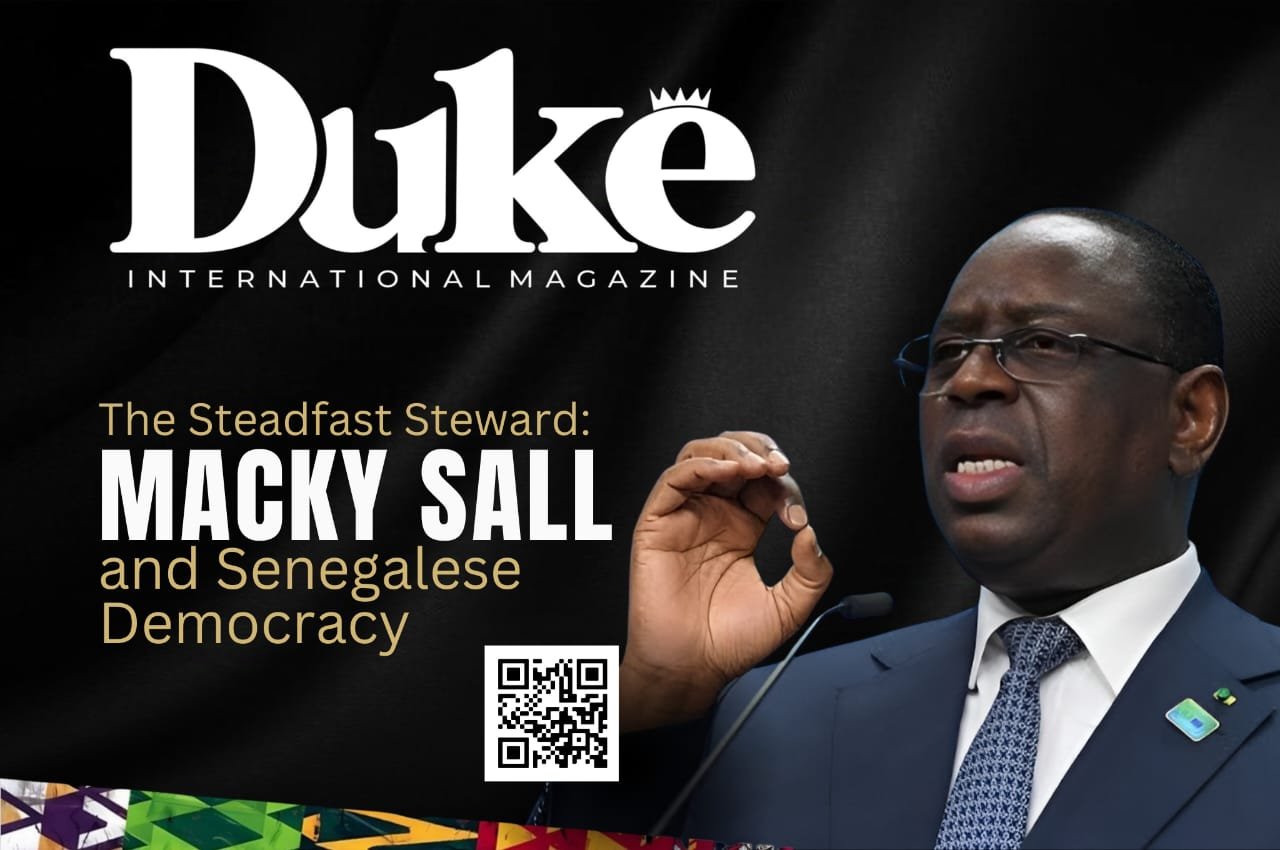
In the intricate political landscape of West Africa, where stability is often prized above all, Macky Sall of Senegal carved a reputation as a measured and resolute leader.
His presidency, spanning from 2012 to 2024, was defined by ambitious national projects and a firm hand on governance, culminating in a final act that placed his nation’s democratic traditions under an intense and unexpected spotlight.
Trained as a geological engineer, Sall entered politics through the ranks of former President Abdoulaye Wade’s party, eventually serving as Prime Minister. His path to the presidency, however, was forged in opposition.
After a public rift with Wade, Sall broke away, championing a message of change and economic accountability that resonated with a populace weary of prolonged incumbency. His electoral victory in 2012 was celebrated as a peaceful and constitutional transfer of power, reinforcing Senegal’s cherished image as a democratic beacon.
As President, Sall pursued a legacy of concrete development. He presided over the commencement of major infrastructure works, most notably the new international airport near Diass and the revitalisation of the capital, Dakar.
His signature “Plan Sénégal Émergent” aimed to frame the nation as a future economic hub. On the regional stage, he ascended to the chairmanship of the African Union and the Economic Community of West African States, where he played a crucial mediating role during political crises in neighbouring Mali and Guinea, advocating for constitutional order.
The final chapter of his presidency, however, introduced profound complexity. His decision to postpone the 2024 presidential election, citing a dispute over the candidate list, triggered a constitutional crisis. The move was seen by opponents and civil society as an unjustified delay, leading to widespread protest and domestic turmoil.
This period tested the resilience of Senegalese institutions, ultimately resulting in a swift electoral timetable being reinstated and Sall overseeing a peaceful transition to his successor, Bassirou Diomaye Faye.
Thus, Macky Sall’s tenure presents a dual portrait: that of a modernising statesman who sought to cement Senegal’s regional stature, and a departing leader whose final political manoeuvre sparked a vigorous defence of the very democratic norms he had once embodied. His legacy, substantial and contentious, will be debated as part of Senegal’s enduring democratic journey.