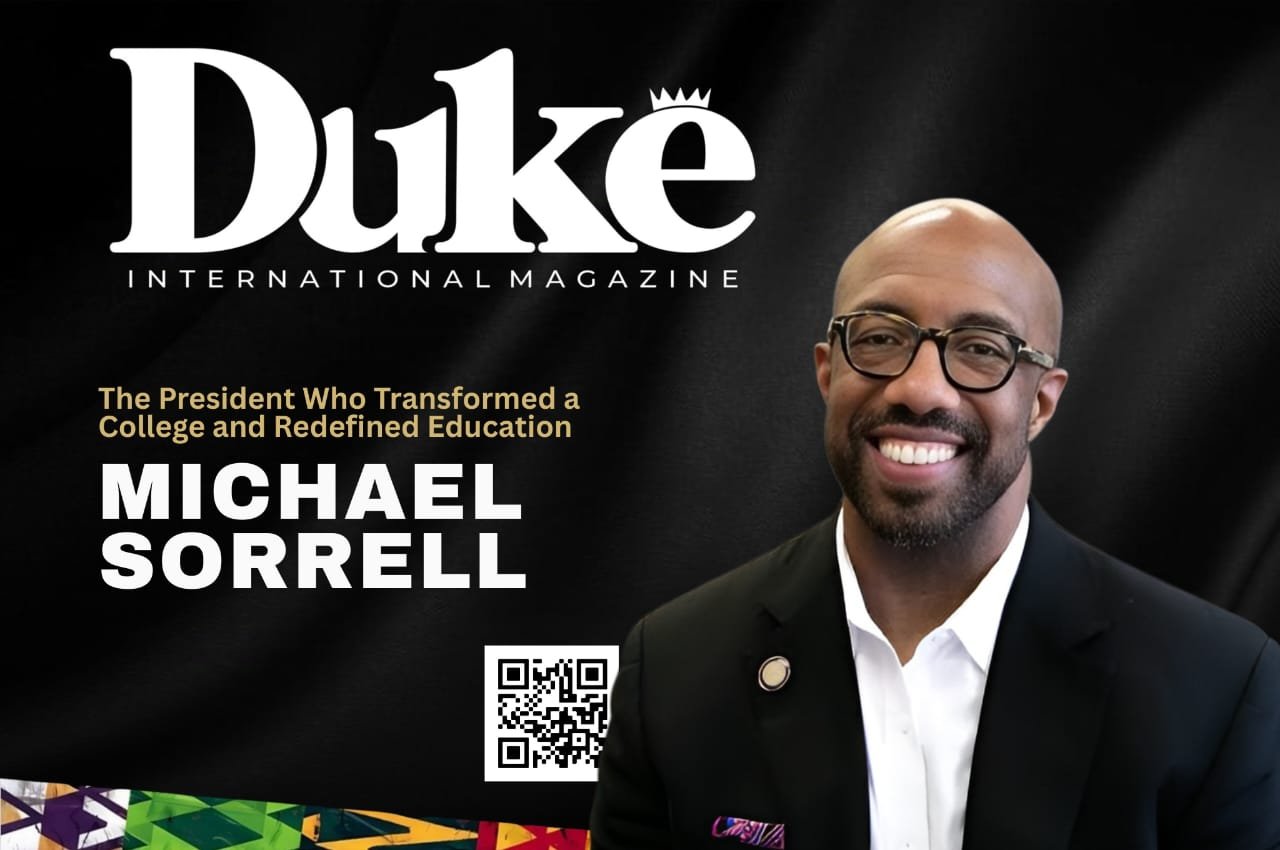
In the landscape of American higher education, few stories are as compelling as that of Dr Michael Sorrell and the renaissance of Paul Quinn College.
When he assumed the presidency in 2007, the historically black college in Dallas, Texas, was on the brink of collapse, burdened by debt and declining enrolment. What followed was not merely a turnaround but a profound reimagining of what a college can be.
Dr Sorrell, a former lawyer and public relations executive with advanced degrees from the University of Pennsylvania and Harvard University, brought an outsider’s audacity to the role. His vision was rooted in pragmatic idealism.
He famously replaced the football field with an organic farm, a symbol of his commitment to combat food insecurity and provide students with real-world enterprise experience. This move encapsulated the “Quinnite” ethos he forged: one of servant leadership, environmental stewardship, and economic mobility.
Under his guidance, the institution became the nation’s first urban work college. Students gain professional work experience as a core part of their studies, directly linking education to employability and personal development.
Dr Sorrell speaks with a commanding clarity about his mission, framing it as a moral imperative to lift communities by creating “agents of change.” His leadership, marked by his distinctive bow ties and eloquent forcefulness, has garnered national acclaim, including the Harvard University’s Innovation in American Government Award.
The transformation is measured in more than accolades; lives have been altered. Graduation rates soared, debt plummeted, and the campus became a beacon of innovation.
Dr Michael Sorrell’s narrative is one of defiant hope, demonstrating that with visionary courage, the most challenged institutions can cultivate not only students but a new model for the future itself.