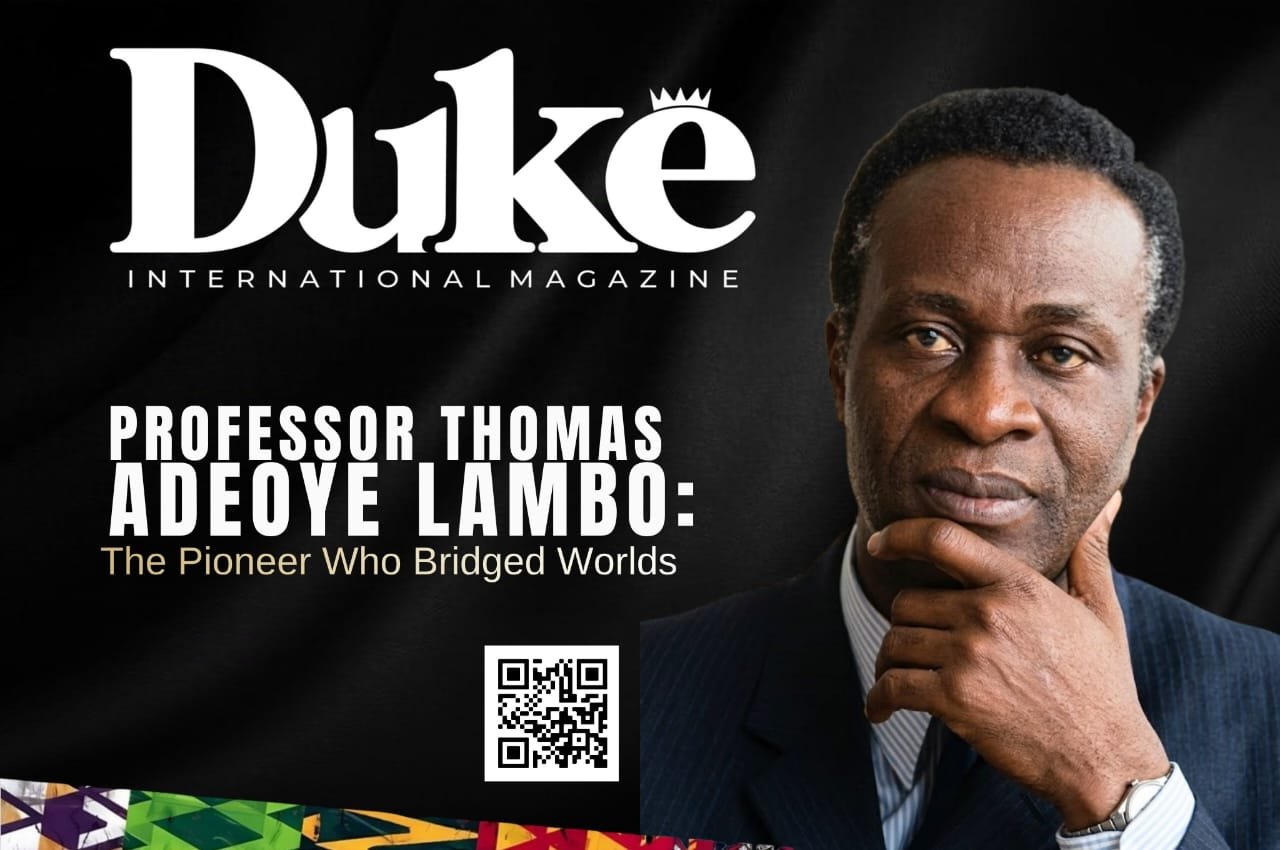
In the mid-1950s, as Nigeria moved towards independence, a young psychiatrist returned from Britain with a radical idea.
He proposed that the mentally ill did not require confinement in cold, clinical asylums. Instead, they could heal in a village, surrounded by family, farmland, and even traditional healers. That man was Professor Thomas Adeoye Lambo, and his vision would revolutionise psychiatry across the globe.
Born in Abeokuta in 1923, Lambo trained in medicine at the University of Birmingham before specialising in psychiatry at the Maudsley Hospital in London. Upon his return to Nigeria in 1954, he took charge of the newly built Aro Neuropsychiatric Hospital. He was deeply aware that the European model of locking patients away in institutions bred fear and mistrust among the local population.
In a stroke of genius, Lambo created the ‘Aro Village System’. Patients lived in a nearby therapeutic community rather than hospital wards. They worked as labourers on local farms and slept in village huts while receiving modern medical treatment.
Crucially, Professor Lambo invited traditional healers and herbalists to work alongside Western-trained doctors. He believed that for recovery to be effective, care must respect the patient’s culture, family ties, and spiritual beliefs. This approach made Lambo a founding father of transcultural psychiatry, proving that mental illness is not purely biological but deeply influenced by social environment.
His reputation grew swiftly. He became the first African Vice-Chancellor of the University of Ibadan and later served as the Deputy Director General of the World Health Organisation. For his contributions, he was honoured as a Commander of the Order of the Niger and received the Nigerian National Order of Merit.
When Professor Lambo died in 2004, he left behind a legacy that stretched far beyond Nigeria. He had demonstrated that modern medicine does not have to erase tradition to be effective. He replaced the stigma of the asylum with the dignity of community, and in doing so, he changed not only how Africa treats the mind, but how the world understands it.