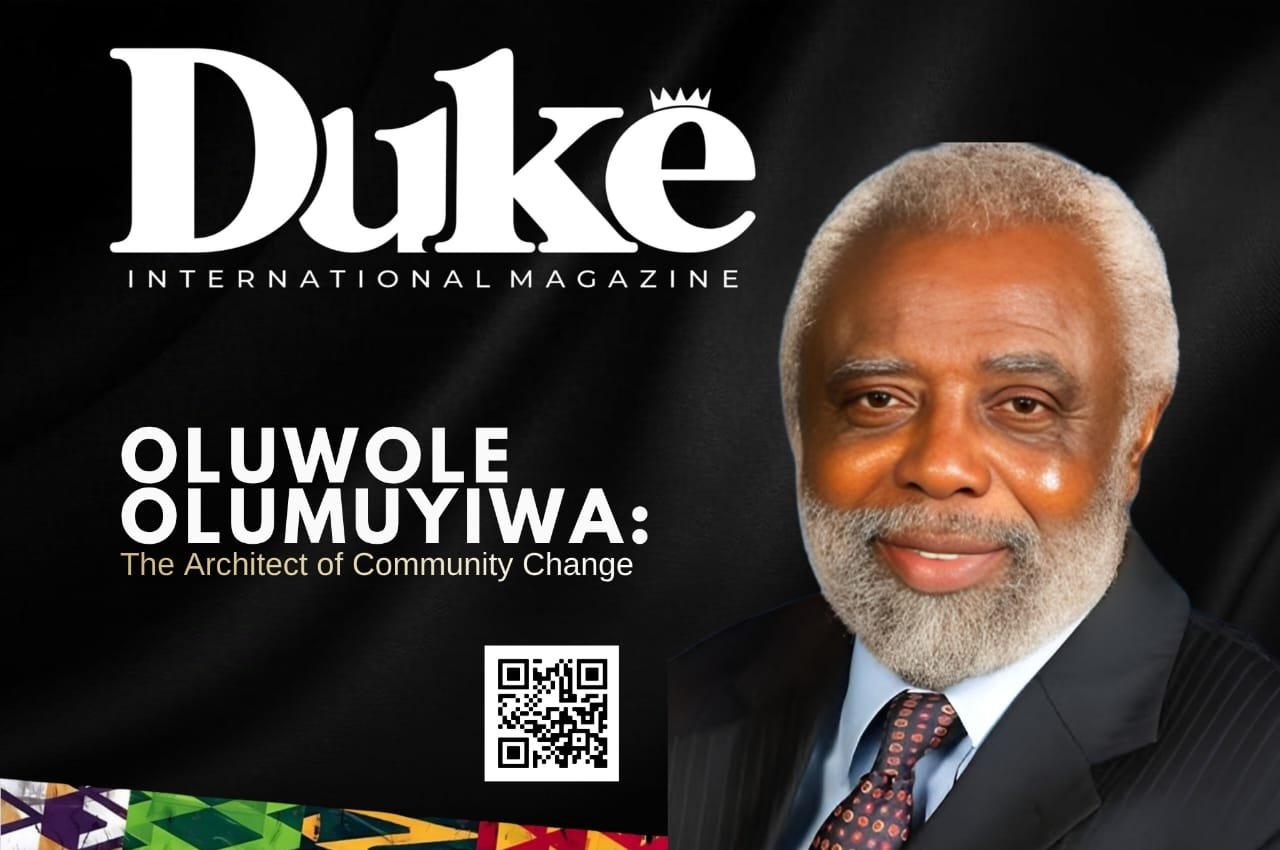
In the heart of London’s bustling South Bank, a quiet revolution took shape, led by the late urban designer and social advocate Oluwole Olumuyiwa. Known to colleagues simply as ‘Wole’, this Nigerian-British thinker redefined how public spaces serve diverse communities before his passing earlier this year.
Trained at the Bartlett School of Architecture, Olumuyiwa cut his teeth on high-profile transport hubs before pivoting to grassroots projects. His signature approach, which he called “inclusive porosity”, involved stripping away unnecessary barriers, both physical and bureaucratic, to make civic areas genuinely open to all.
His crowning triumph is the Peckham Rye Link, a former service alley transformed into a covered market, workshop space and children’s play zone.
Rather than imposing a glossy masterplan, Olumuyiwa spent six months conducting listening exercises with local traders, parents and young people. The result is a low-cost, high-impact site where a tailor’s stall sits next to a story-telling bench, and rain or shine, neighbours gather without invitation.
Beyond bricks and mortar, Olumuyiwa lectured part-time at London Metropolitan University, mentoring a new generation of designers from minority backgrounds. He also sat on the Mayor’s Design Advocates panel, pushing for mandatory community consultation on all major planning applications.
When asked about his legacy, Olumuyiwa would deflect praise. “I do not build monuments,” he said, adjusting his signature round spectacles. “I build confidence. A truly public space is not one that looks beautiful in a photograph. It is one where a teenager feels safe, an elder feels seen, and a newcomer feels invited to stay.” In a divided city, that philosophy may be his most enduring structure.