

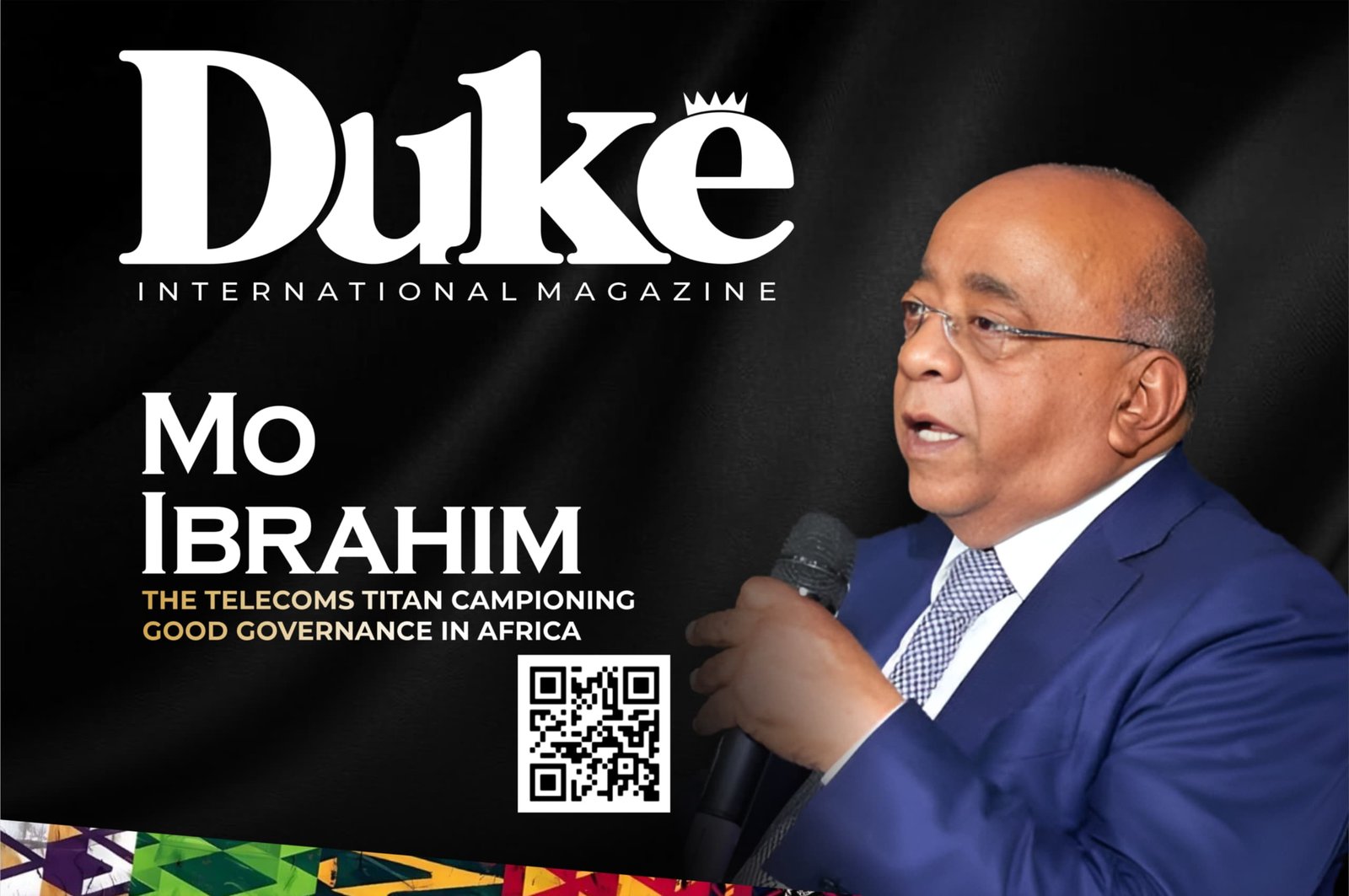
In a continent where wealth and power often collide with controversy, Sudanese-British billionaire Mo Ibrahim stands apart – not just for building a mobile empire, but for dedicating his fortune to fighting Africa’s greatest scourge: poor leadership. His extraordinary journey from electrical engineer to governance crusader offers a masterclass in using business success as a springboard for social change.
The Mobile Revolution Pioneer
Born in 1946 in northern Sudan, Ibrahim’s path to prominence began with a scholarship to study engineering in Egypt, followed by a PhD in mobile communications from the University of Birmingham. His industry breakthrough came when he recognised Africa’s potential for mobile technology before most telecom giants.
In 1998, he founded Celtel International, building mobile networks across 15 African countries with a revolutionary approach:
• Pay-as-you-go services for low-income users
• Pan-African roaming years before European networks
• Zero tolerance for corruption in operations
When he sold Celtel for $3.4 billion in 2005, it wasn’t just a business exit – it was the start of his true life’s work.
The Governance Revolutionary
Ibrahim shocked the business world by turning down lucrative consultancy offers to establish the Mo Ibrahim Foundation in 2006. Its radical premise: African leaders should be held accountable like corporate CEOs.
The foundation’s flagship initiative, the Ibrahim Index of African Governance, ranks all 54 nations annually on 100+ indicators – from education to infrastructure. But it’s the Ibrahim Prize for Achievement in African Leadership that makes headlines, offering $5 million to former heads of state who demonstrate exceptional governance.
“The prize isn’t about the money,” Ibrahim explains. “It’s about changing the conversation – showing young Africans that leadership should mean service, not self-enrichment.”
The Uncompromising Truth-Teller
Never one for diplomatic niceties, Ibrahim’s annual governance reports deliver uncomfortable truths with data-driven precision. He famously called out African leaders for “sitting on their hands” during COVID-19 and criticised the international community for tolerating corruption.
His influence extends beyond reports:
• The Now Generation Network mentors emerging African leaders
• His foundation funds scholarships for 400+ African students annually
• The Ibrahim Forum brings together policymakers and activists
A New Model of African Success
Now in his late 70s, Ibrahim remains as vocal as ever. Whether debating at Oxford or advising the African Union, his message stays consistent: “Africa isn’t poor – it’s poorly managed.”
His accolades – from a knighthood to the BAFTA Special Award – matter less than his impact. When only seven leaders have qualified for his leadership prize in 18 years, it’s not a failure of the award, but proof of its necessity.
In a world where billionaires often chase vanity projects, Mo Ibrahim’s dedication to governance reform offers something radical: the belief that Africa’s future depends not on aid, but on accountability. As he puts it: “We must stop celebrating potential and start demanding results.”
What qualities do you think define truly transformative leadership? Share your thoughts below.