This month, Duke Magazine proudly shines its spotlight on two remarkable Black men whose leadership, vision, and impact are shaping industries and uplifting communities across the globe.

Marc Philpart: Building the Infrastructure for Black Liberation
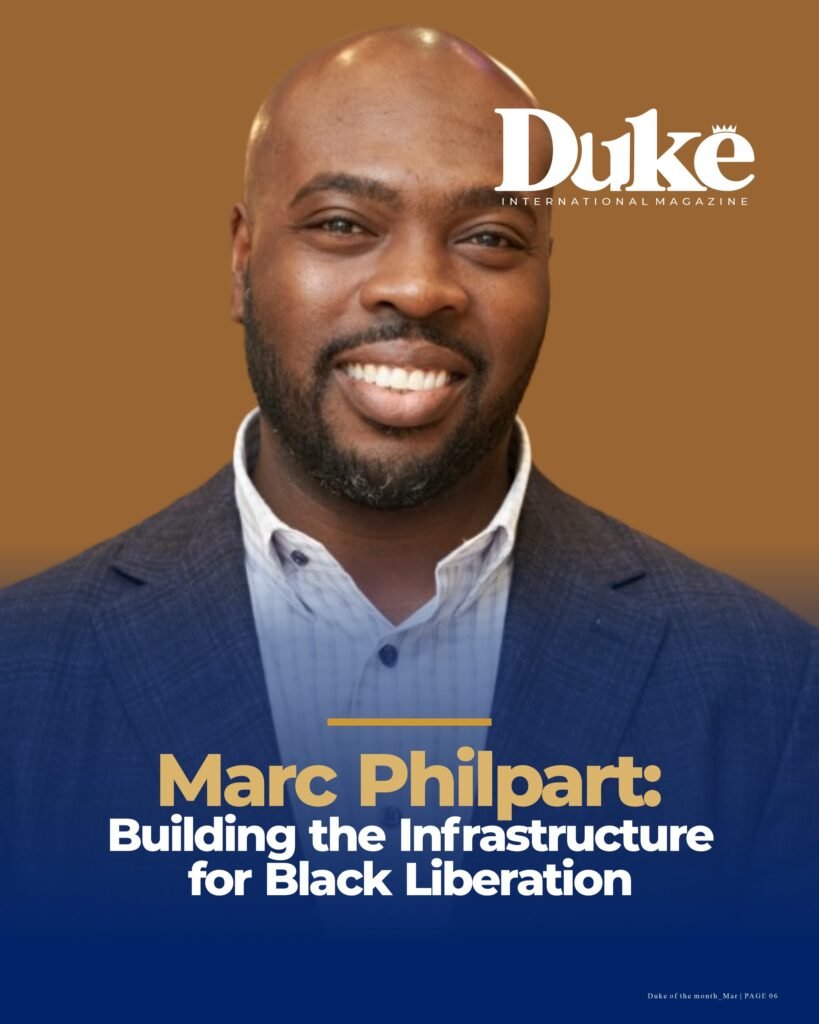
In the landscape of American philanthropy and racial justice advocacy, Marc Philpart occupies an unusual position. He is not a figure who seeks the spotlight, yet his work behind the scenes has positioned him as one of the most influential architects of the movement for Black liberation in the United States.
In January 2026, that influence received public acknowledgment when Time magazine named him to its prestigious annual ‘The Closers’ list, recognising Black leaders whose work is helping to close racial equity gaps and drive meaningful systems change.
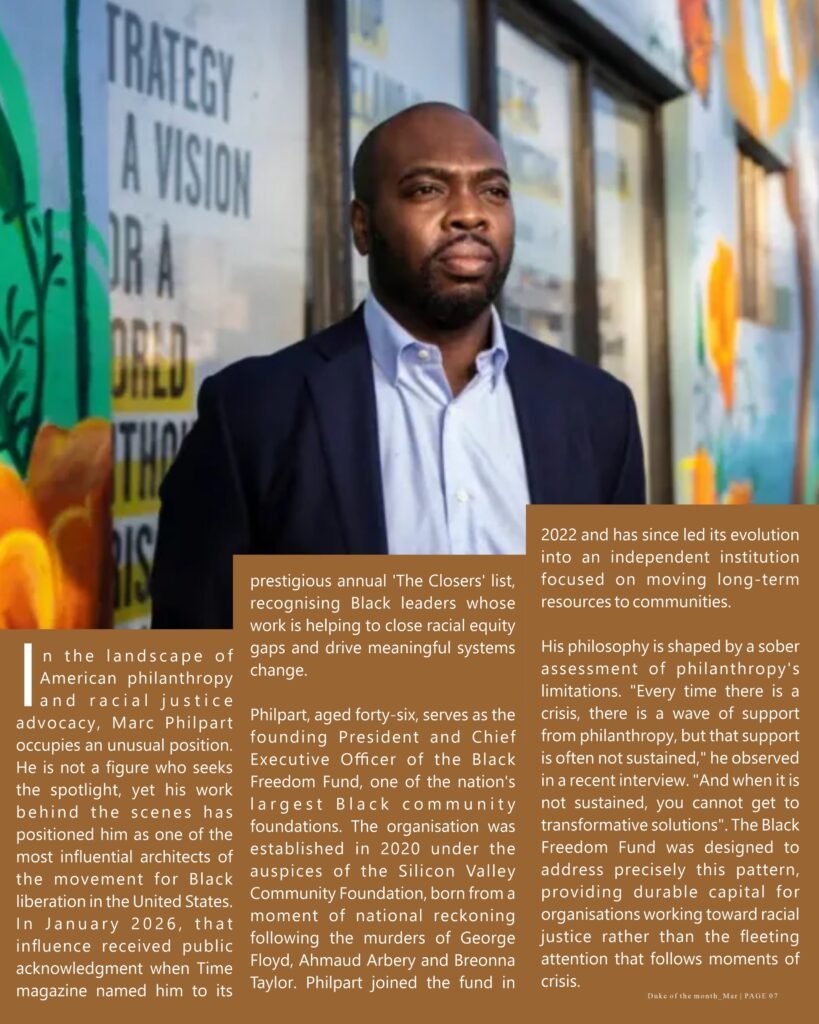
Philpart, aged forty-six, serves as the founding President and Chief Executive Officer of the Black Freedom Fund, one of the nation’s largest Black community foundations.
The organisation was established in 2020 under the auspices of the Silicon Valley Community Foundation, born from a moment of national reckoning following the murders of George Floyd, Ahmaud Arbery and Breonna Taylor. Philpart joined the fund in 2022 and has since led its evolution into an independent institution focused on moving long-term resources to communities.
His philosophy is shaped by a sober assessment of philanthropy’s limitations. “Every time there is a crisis, there is a wave of support from philanthropy, but that support is often not sustained,” he observed in a recent interview. “And when it is not sustained, you cannot get to transformative solutions”.
The Black Freedom Fund was designed to address precisely this pattern, providing durable capital for organisations working toward racial justice rather than the fleeting attention that follows moments of crisis.
Since its inception, the fund has raised approximately $100 million and has distributed roughly half of that sum to local Californian organisations focused on ensuring that Black communities have a seat at the table when it comes to opportunity.
Philpart is now seeking to grow the fund’s endowment to at least $200 million, an ambitious target that reflects his commitment to building what he describes as “real movement infrastructure to sustain folks for the long term”.
The fund’s work spans multiple domains. It has supported initiatives to ensure Black communities are included in California’s plans to expand apprenticeships to 500,000 by 2029. It has partnered with organisations seeking to keep Black children in school by reforming suspension policies. “You cannot talk about closing the racial wealth gap without being able to actually graduate people,” Philpart has said.
His approach combines campaign and policy expertise across public health, violence prevention, community safety, education, youth justice, economic equity and civic engagement—domains he cultivated during more than a decade at PolicyLink and in his subsequent leadership of the Alliance for Boys and Men of Color.
The 2026 Time recognition places Philpart among an extraordinary cohort of eighteen Black leaders. The list includes Imani Perry, the New York Times best-selling author and scholar; Darren Walker, the philanthropist; Angela Doyinsola Aina, co-founder and executive director of the Black Mamas Matter Alliance; the Oscar-winning costume designer Paul Tazewell; the British businesswoman Emma Grede; and the Olympic champion speed skater Erin Jackson, among others.
Time editors noted that the annual list launches just ahead of Black History Month, telling the stories of leaders who, “despite ever-evolving challenges, remain determined to make change and to better the world we share”.
Philpart’s leadership extends beyond the Black Freedom Fund. He serves on the boards of the California Immigrant Policy Center, Partners for Dignity and Rights, the Women’s Foundation of California, and the Schott Foundation for Public Education. He is also a member of the advisory committee for the University of Southern California’s Equity Research Institute.
In February 2026, he moderated a fireside chat at an event titled “The Playbook,” hosted by the Black Freedom Fund on the eve of the Super Bowl, where he led a conversation with the renowned activist and scholar Angela Davis and the NBA legend and entrepreneur Isiah Thomas about endurance, democracy and the role of philanthropic institutions when freedom is under threat.
Philpart has spoken candidly about the challenges facing racial justice work in the current political climate. Observing that many corporations have rolled back diversity and equity programmes, he noted that what those businesses had in common was a shallow appreciation of the advantages of inclusion.
“You have people who are backing away, but also people who are stepping up,” he said. “And the people who are stepping up are doing so as a matter of course, and of core beliefs: ‘This is fundamental to who I am as a person. This is fundamental to who my organisation is'”.
His own career reflects a similar constancy. Before entering philanthropy, he spent years learning the rhythms of grassroots organising, understanding that sustainable change requires collaboration and bridge-building.
“It is easier to tell people to come out and vote and support something that is on the books than it is to sit across from someone and work on changing their heart and mind over a decade,” he reflected. “That is where the real work and opportunity is”.
Upon receiving the Time recognition, Philpart deflected attention toward the collective endeavour he represents. “This recognition is a reminder that the work in front of us is bigger than any one leader or moment—it is about building durable institutions like Black Freedom Fund,” he said.
“Through BFF, we have an opportunity to build an institution that lasts across generations, rooted in care, shared responsibility, and the kind of justice Black communities have been fighting for for generations. I hope this moment invites more people to join us in moving resources, power, and imagination toward a future we all deserve”.
A ceremony celebrating the 2026 Closers list was held on 12 February in Atlanta, honouring leaders who, in the words of one honoree, are maintaining “an imagination for a just society” even as equity initiatives face sustained challenge. For Philpart, that imagination is grounded in the patient, systematic work of ensuring that those on the frontlines have what they need to continue the fight, not for a season, but for the long arc of social change.
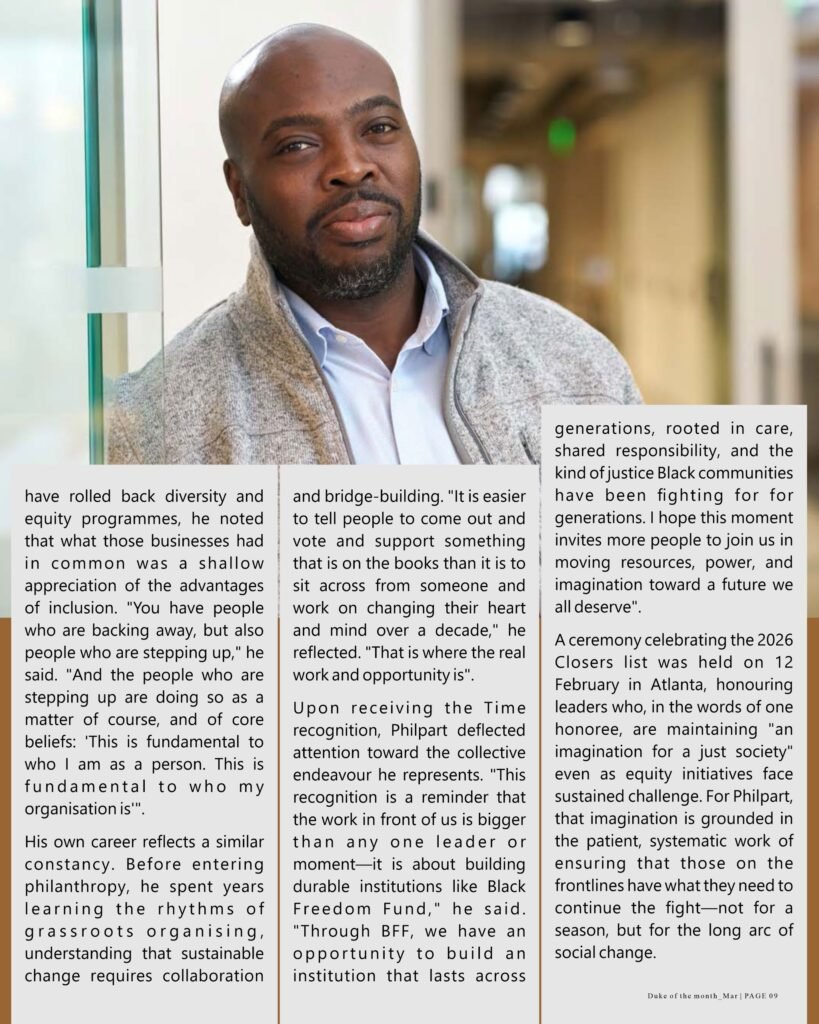
Calvin Butler: The CEO Powering Communities with Purpose
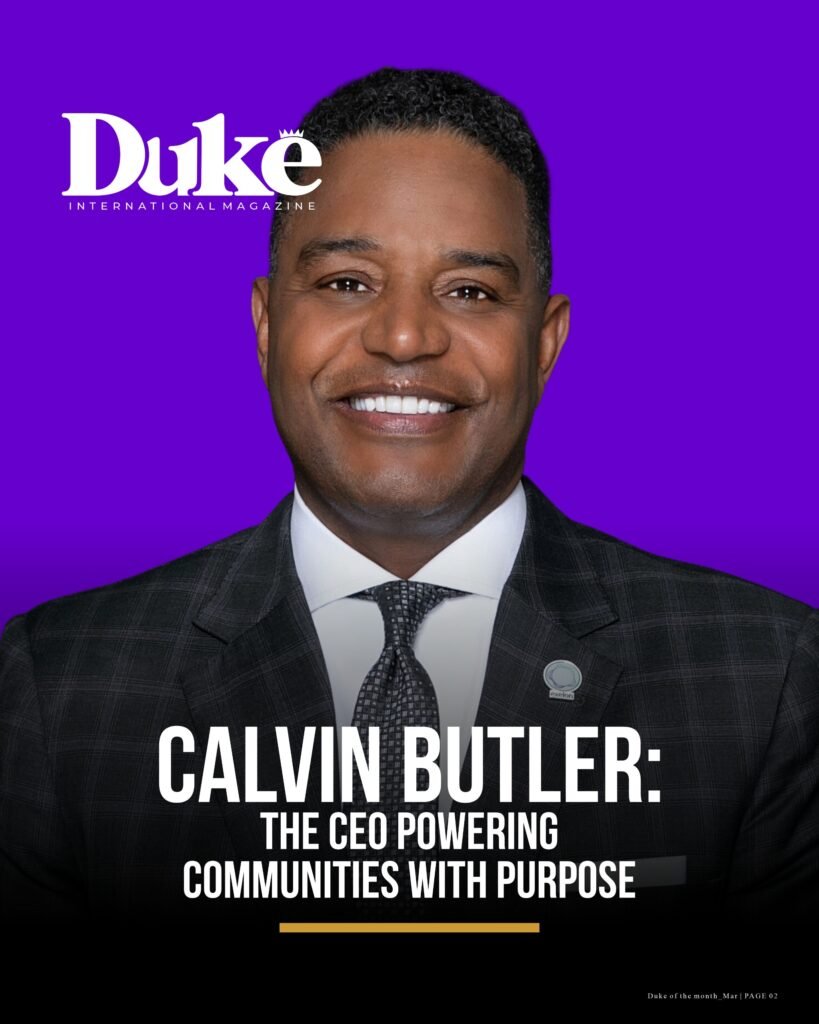
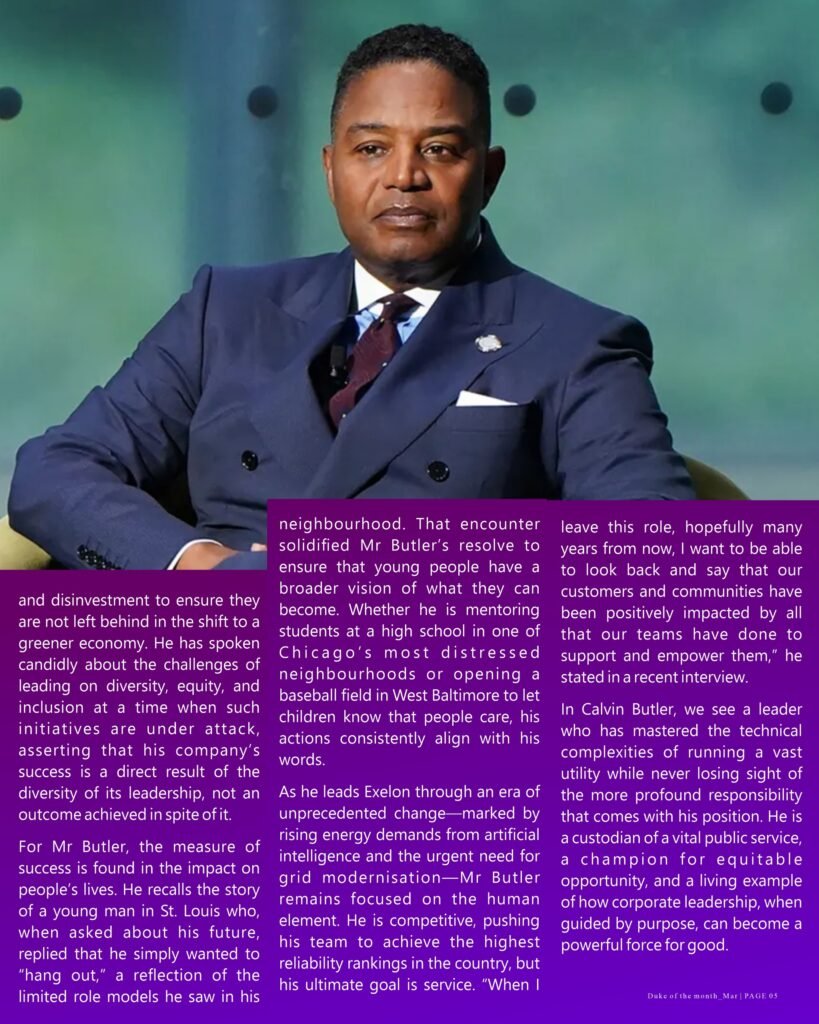
In the landscape of American corporate leadership, Calvin Butler stands as a singular figure. As the President and Chief Executive Officer of Exelon, the largest utility company in the United States by customer count, he oversees the delivery of electricity and gas to nearly 11 million customers across six states and the District of Columbia.
Yet his story is not merely one of corporate ascent; it is a profound narrative of purposeful stewardship, a man who views his position not as a pinnacle of personal achievement but as a platform for collective uplift.
Mr Butler’s journey to the top of the Fortune 200 company is rooted in a diverse and robust professional background. Before assuming his current role at the end of 2022, he served as Exelon’s President and Chief Operating Officer, having joined the company in 2008.
His early career was shaped by roles in government affairs, legal strategy, and senior leadership at other firms, underpinned by a Juris Doctor degree from Washington University School of Law, which honoured him as a Distinguished Alumnus in 2025.
However, it was during his tenure as the Chief Executive Officer of Baltimore Gas and Electric (BGE) from 2014 to 2019 that the core tenets of his leadership philosophy were forged in the crucible of real-world crisis.
The year 2015 proved to be a defining moment. Following the uprising in Baltimore after the death of Freddie Gray, Mr Butler witnessed a wave of corporate responses that he felt were superficial—small donations and sympathetic statements.
He believed something more sustainable was required. Recognising that the city’s deep-seated issues stemmed from a lack of hope and opportunity, he moved beyond writing a cheque.
He convened local leaders, famously sketching out a plan on a napkin with the CEO of a construction firm, an idea that would evolve into TouchPoint Baltimore, a collaborative hub designed to amplify the impact of existing non-profits by providing coordinated access to social capital and mentorship.
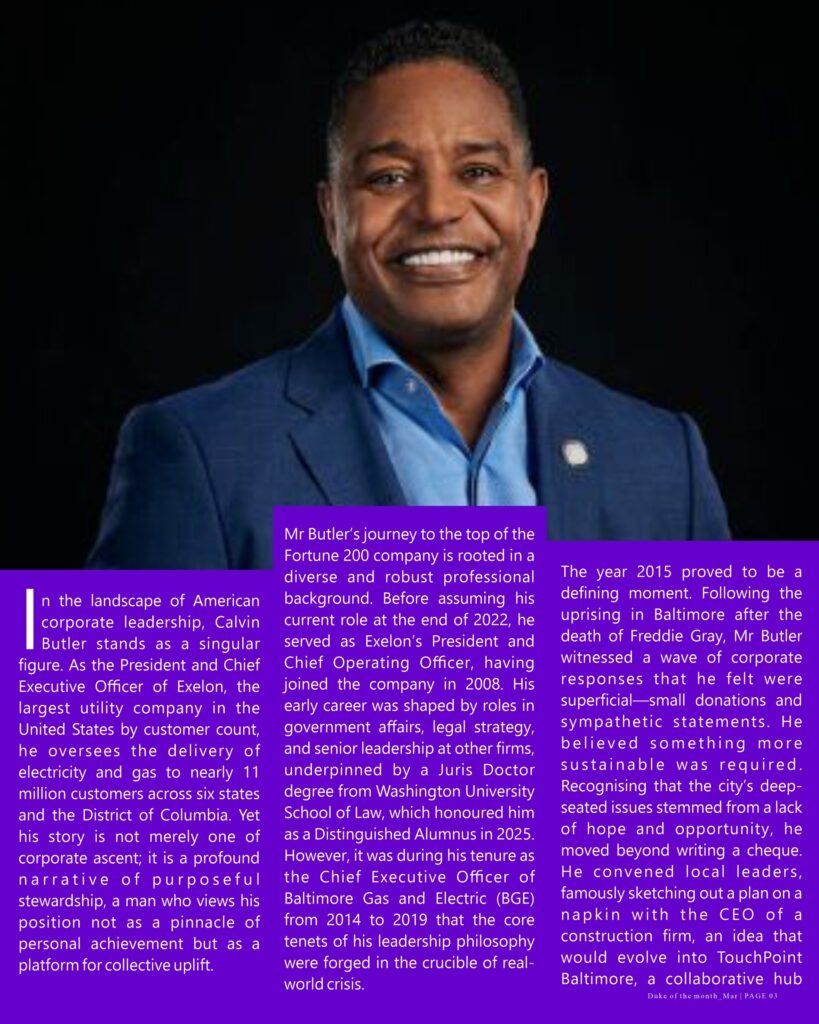
This commitment to long-term, structural change has become the hallmark of Mr Butler’s career. His leadership philosophy is encapsulated by a simple, powerful maxim: “It’s not about me”. He speaks often of his purpose, which he defines as improving the circumstances of those who have entrusted him with leadership, particularly young people and communities of colour.
“There are not many people like myself sitting in the top positions of companies,” he has said, reflecting on his status as one of only a handful of African American Chief Executives leading Fortune 500 companies. He views this not as a personal accolade but as a responsibility to show up, to be present in spaces where hope is scarce, and to provide a different vision of what is possible.
Under his stewardship, Exelon’s commitment to its communities has been translated into substantial, tangible action. The company has invested billions in infrastructure, but crucially, it has ensured that this investment serves a dual purpose: strengthening the grid while strengthening communities.
In 2024 alone, of the $8 billion Exelon spent with suppliers, $2 billion was directed to diversity-certified businesses, including those owned by women, minorities, and veterans. Mr Butler has championed workforce development programmes, establishing free STEM academies for high school students and supporting historically black colleges and universities through financial aid and scholarships.
He has also spearheaded initiatives like the Community Impact Capital Fund, designed to provide loans and investments to businesses in under-resourced areas, ensuring that economic growth is inclusive.
His leadership extends to the national stage, where he serves as Vice Chair of the Board of Directors for the Edison Electric Institute, an association representing all investor-owned electric companies in the United States. In this role, and in his public commentary, Mr Butler has been an outspoken advocate for equity in the clean energy transition.
He argues that equity is distinct from equality; it requires providing specific resources and opportunities to communities that have historically been burdened by pollution and disinvestment to ensure they are not left behind in the shift to a greener economy.
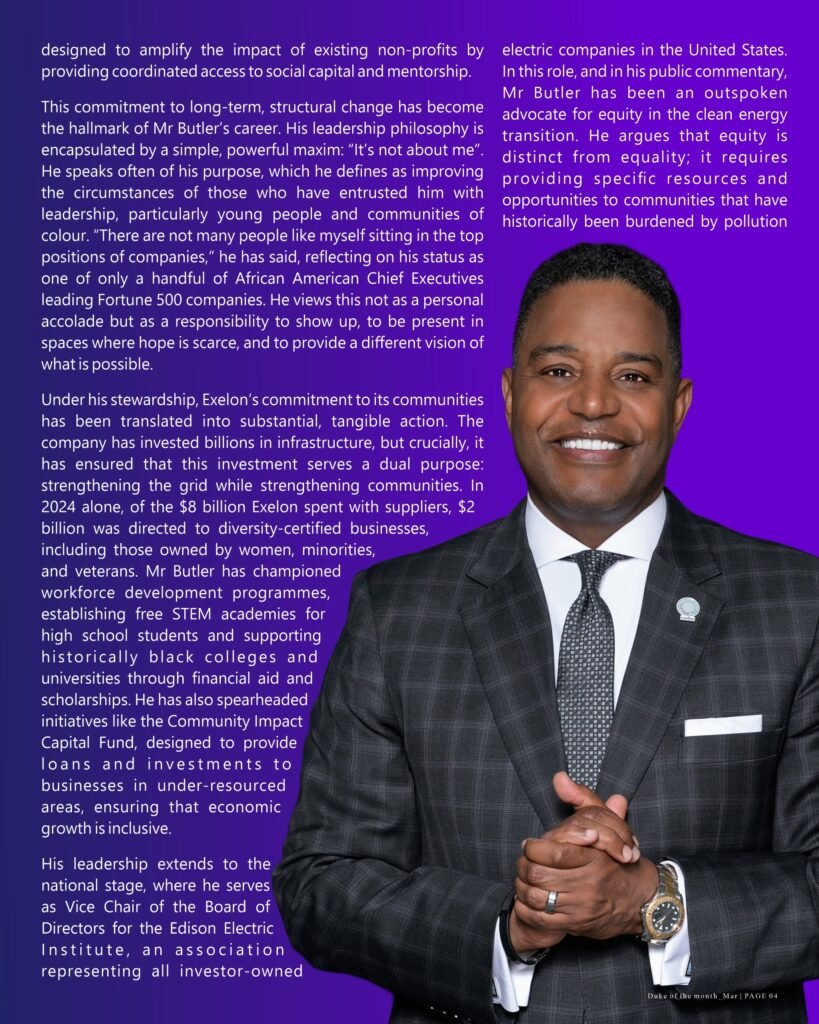
He has spoken candidly about the challenges of leading on diversity, equity, and inclusion at a time when such initiatives are under attack, asserting that his company’s success is a direct result of the diversity of its leadership, not an outcome achieved in spite of it.
For Mr Butler, the measure of success is found in the impact on people’s lives. He recalls the story of a young man in St. Louis who, when asked about his future, replied that he simply wanted to “hang out,” a reflection of the limited role models he saw in his neighbourhood.
That encounter solidified Mr Butler’s resolve to ensure that young people have a broader vision of what they can become. Whether he is mentoring students at a high school in one of Chicago’s most distressed neighbourhoods or opening a baseball field in West Baltimore to let children know that people care, his actions consistently align with his words.
As he leads Exelon through an era of unprecedented change, marked by rising energy demands from artificial intelligence and the urgent need for grid modernisation, Mr Butler remains focused on the human element. He is competitive, pushing his team to achieve the highest reliability rankings in the country, but his ultimate goal is service.
“When I leave this role, hopefully many years from now, I want to be able to look back and say that our customers and communities have been positively impacted by all that our teams have done to support and empower them,” he stated in a recent interview.
In Calvin Butler, we see a leader who has mastered the technical complexities of running a vast utility while never losing sight of the more profound responsibility that comes with his position.
He is a custodian of a vital public service, a champion for equitable opportunity, and a living example of how corporate leadership, when guided by purpose, can become a powerful force for good.