

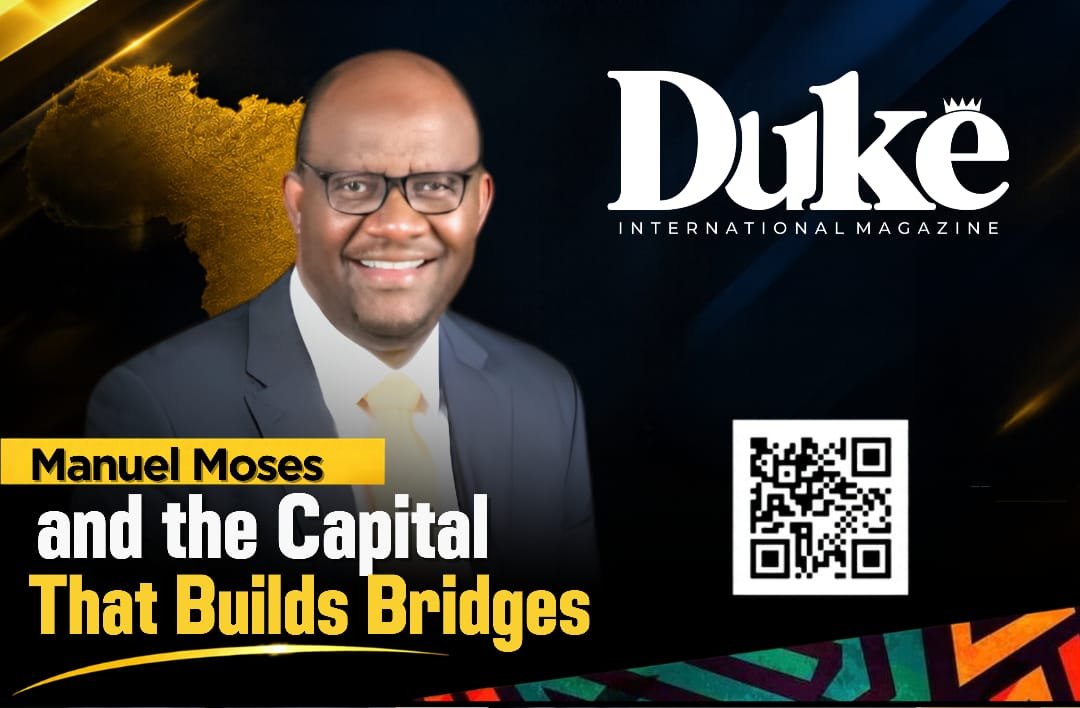
Manuel Moses does not talk like an insurer. He talks like a builder. If life had followed the path he imagined as a young civil engineer, he would probably be standing beside a dam or a highway somewhere in Africa, overseeing its construction. Instead, from ATIDI’s Nairobi headquarters, he designs the financial architecture that unlocks billions for the continent’s infrastructure long before ground is broken.
ATIDI, founded in 2001 by seven member states, is now backed by 24 African nations and 14 institutional shareholders, including Germany’s KfW Development Bank, which joined this year. As chief executive, Moses has pushed the institution into new territory. In 2025, total exposure reached $9.2 billion, up from $8.9 billion the previous year. Net profit rose 20 per cent to $71.4 million. Equity stood at $883 million.
His next act is bigger. He wants to double ATIDI’s capital to $2 billion within about two years. That, he argues, would allow annual guarantee volumes to rise from $10 billion to $20 billion. “Our ambition is to get to $2 billion. What limits us is capital,” he told Reuters.
Talks are under way with France, other G7 nations and roughly 30 African countries that have yet to join. The African Development Bank has raised its stake to 14 per cent with a $125 million injection. Kenya has pledged to increase its contribution from $25 million to $65 million. Côte d’Ivoire has committed $50 million, while KfW has subscribed $32 million.
For Moses, capital is not an end in itself. It is the difference between a solar farm that remains a proposal and one that powers a grid. ATIDI’s guarantees cover political and credit risk, but their purpose is to pull private money into places it might otherwise avoid. Energy transition, intra-African trade and small business financing are now central to the brief.
Colleagues describe him as calm, technical and persistent. He prefers detail to drama. Yet his ambition is unmistakable. He speaks of ATIDI’s next quarter century as one in which a better-capitalised institution sits at the heart of Africa’s development.
“The best is still to come,” he says. If he gets the capital he wants, more of it will come sooner than many expect.