


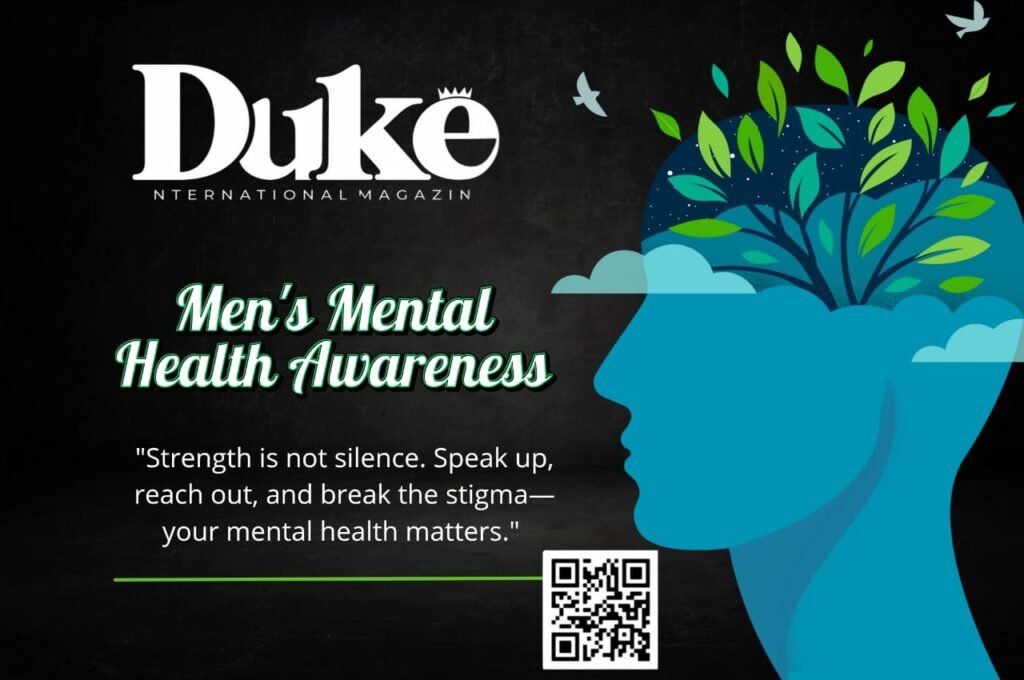
In an era where physical fitness and professional success are often prioritised, men’s mental health remains a subject shrouded in silence. Despite growing awareness, many men still struggle to acknowledge their emotional and psychological challenges, fearing stigma or perceived weakness. Yet, mental wellbeing is just as critical as physical health, and addressing it requires courage, understanding, and a shift in societal attitudes.
The Silent Struggle
Historically, men have been conditioned to embody resilience, stoicism, and emotional restraint. From childhood, boys are often taught to “tough it out” or “man up,” reinforcing the idea that vulnerability is a flaw rather than a fundamental human trait. This cultural expectation can lead to suppressed emotions, unresolved stress, and, in severe cases, debilitating mental health conditions such as depression, anxiety, or substance dependency.
Statistics paint a concerning picture. According to mental health organisations, men are significantly less likely than women to seek help for psychological distress. In the United Kingdom, suicide remains the leading cause of death for men under 50, a stark indicator of the profound impact of unaddressed mental health struggles. The reluctance to speak openly about these issues only perpetuates the crisis, leaving many to suffer in isolation.
Barriers to Seeking Help
Several factors contribute to men’s hesitancy in addressing mental health concerns:
- Societal Expectations – Traditional masculinity often discourages emotional expression, equating it with weakness. Many men fear judgment or ridicule if they admit to struggling mentally.
- Lack of Awareness – Some men may not recognise the symptoms of mental health issues, dismissing them as stress or fatigue rather than seeking professional guidance.
- Limited Support Networks – Women are more likely to confide in friends or family, whereas men may lack close, emotionally open relationships where they feel safe to share their struggles.
- Professional Stigma – In certain workplaces, admitting to mental health challenges can be perceived as a liability, discouraging men from seeking support for fear of career repercussions.
The Path Forward
Breaking the cycle of silence requires a collective effort—from individuals to institutions. Here are key steps to fostering a healthier approach to men’s mental wellbeing:
- Redefining Masculinity
Strength should not be measured by emotional suppression but by the courage to confront and articulate one’s feelings. Encouraging open conversations about mental health in male-dominated spaces—whether in workplaces, sports clubs, or social circles—can normalise vulnerability as a form of resilience. - Promoting Accessible Resources
Mental health services must be tailored to appeal to men. Initiatives such as male-focused therapy groups, anonymous helplines, and digital counselling platforms can provide discreet and comfortable avenues for seeking help. Campaigns like Movember and Heads Together have made strides in raising awareness, but continued advocacy is essential. - Encouraging Peer Support
Men are more likely to engage in discussions about mental health when approached by someone they trust. Friends, partners, and colleagues can play a pivotal role by checking in, listening without judgment, and encouraging professional support when needed. Simple acts of solidarity—such as sharing personal experiences—can dismantle the illusion that suffering alone is normal. - Workplace Mental Health Policies
Employers must prioritise mental health by fostering environments where employees feel safe to speak up. Flexible working arrangements, mental health days, and confidential counselling services can significantly reduce workplace-related stress and burnout. Leadership teams should lead by example, demonstrating that seeking help is not only accepted but encouraged.
A Call to Action
The conversation around men’s mental health is evolving, but progress demands persistent effort. Every man who speaks openly about his struggles contributes to a cultural shift—one where seeking help is seen not as a failure but as an act of self-respect.
If you or someone you know is struggling, remember: vulnerability is not weakness. It is the first step toward healing. Resources such as Mind, CALM (Campaign Against Living Miserably), and the Samaritans offer confidential support, ensuring no one has to face their battles alone.
Mental health is not a solitary journey. It is a shared responsibility—one that begins with breaking the silence.
This article aims to inspire reflection and dialogue. If you have been affected by any of the issues discussed, do not hesitate to reach out for professional support.