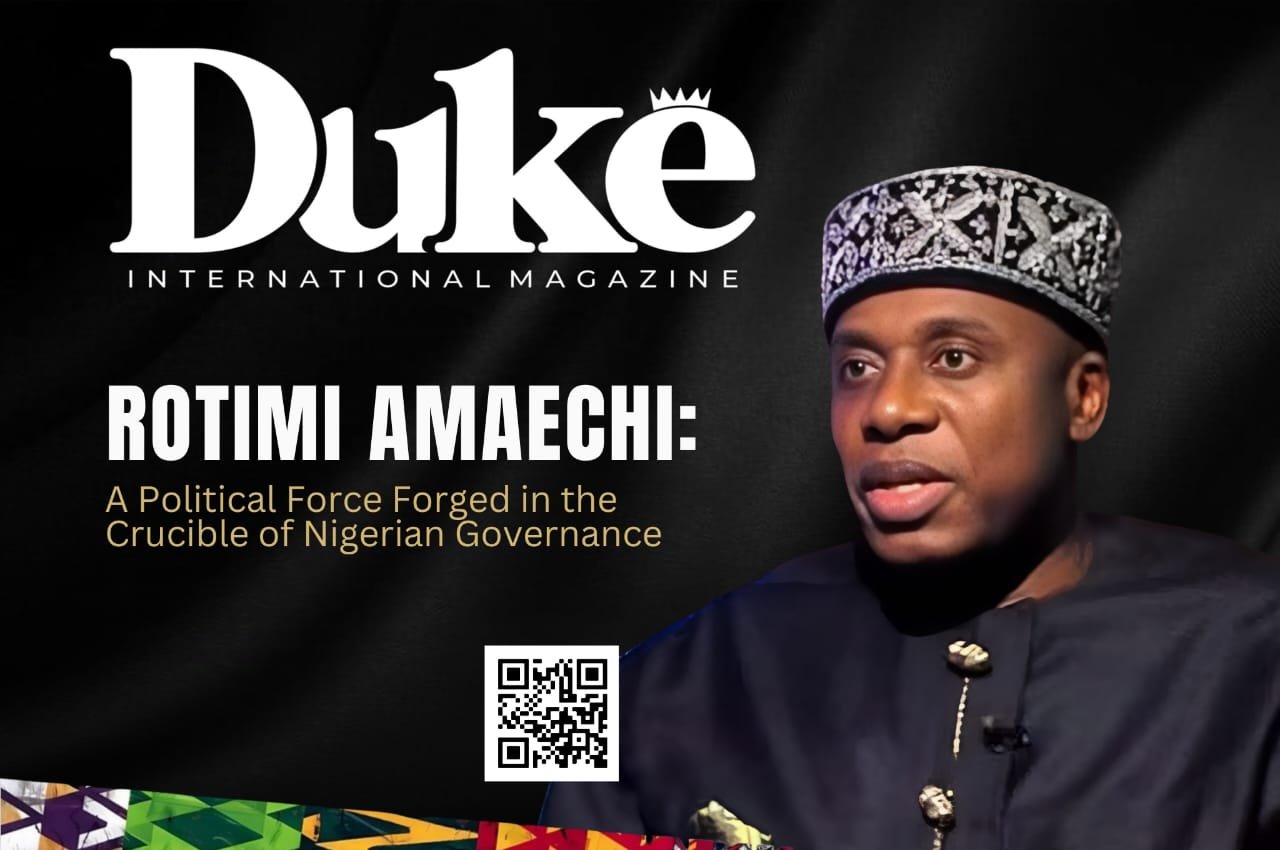
Chibuike Rotimi Amaechi stands as one of the most significant and enduring political figures in contemporary Nigeria. His career, spanning from the grassroots of Rivers State politics to the highest federal offices, is a narrative of legal battles, transformative infrastructure projects, and unwavering political ambition.
Born on 27 May 1965 in Ubima, Rivers State, Amaechi entered politics with a degree in English Studies and Literature, driven by a need to confront the unemployment and challenges he observed.
His political foundation was solidified during an eight-year tenure as the Speaker of the Rivers State House of Assembly, a role that honed his strategic understanding of power.
His path to the governorship was itself historic, secured not at the ballot box initially but by a landmark Supreme Court ruling in 2007 that affirmed his rightful candidacy after a contentious party substitution. As Governor for two terms, his administration became associated with substantial urban development and infrastructural focus in Rivers State.
Amaechi’s national profile was elevated upon his appointment as the Minister of Transportation by President Muhammadu Buhari in 2015. For seven years, he became the public face of Nigeria’s ambitious railway revolution, personally championing the revitalisation of a moribund network.
His tenure oversaw the delivery and launch of critical standard gauge lines, most notably the Abuja to Kaduna and Lagos to Ibadan railways, alongside the arduous rehabilitation of the eastern Port Harcourt to Maiduguri line. His ministerial portfolio also extended to pioneering port reforms, including the digital decongestion of Apapa Port in Lagos and the development of new deep seaports.
This record of national service formed the platform for his ultimate political objective: the presidency. He resigned from the cabinet in 2022 to contest the ruling party’s presidential primary, finishing second. In a move that captured the nation’s political attention in mid-2025, Amaechi left the All Progressives Congress to join the opposition African Democratic Congress, a strategic recalibration that signals his continued pursuit of the highest office.
Beyond the political fray, he is a family man who reflects thoughtfully on the personal costs of public life, often acknowledging the grace he feels has guided his journey and expressing a measured caution about the brutal nature of the political arena he has dedicated his life to navigating. His story remains central to the unfolding drama of Nigerian democracy.