

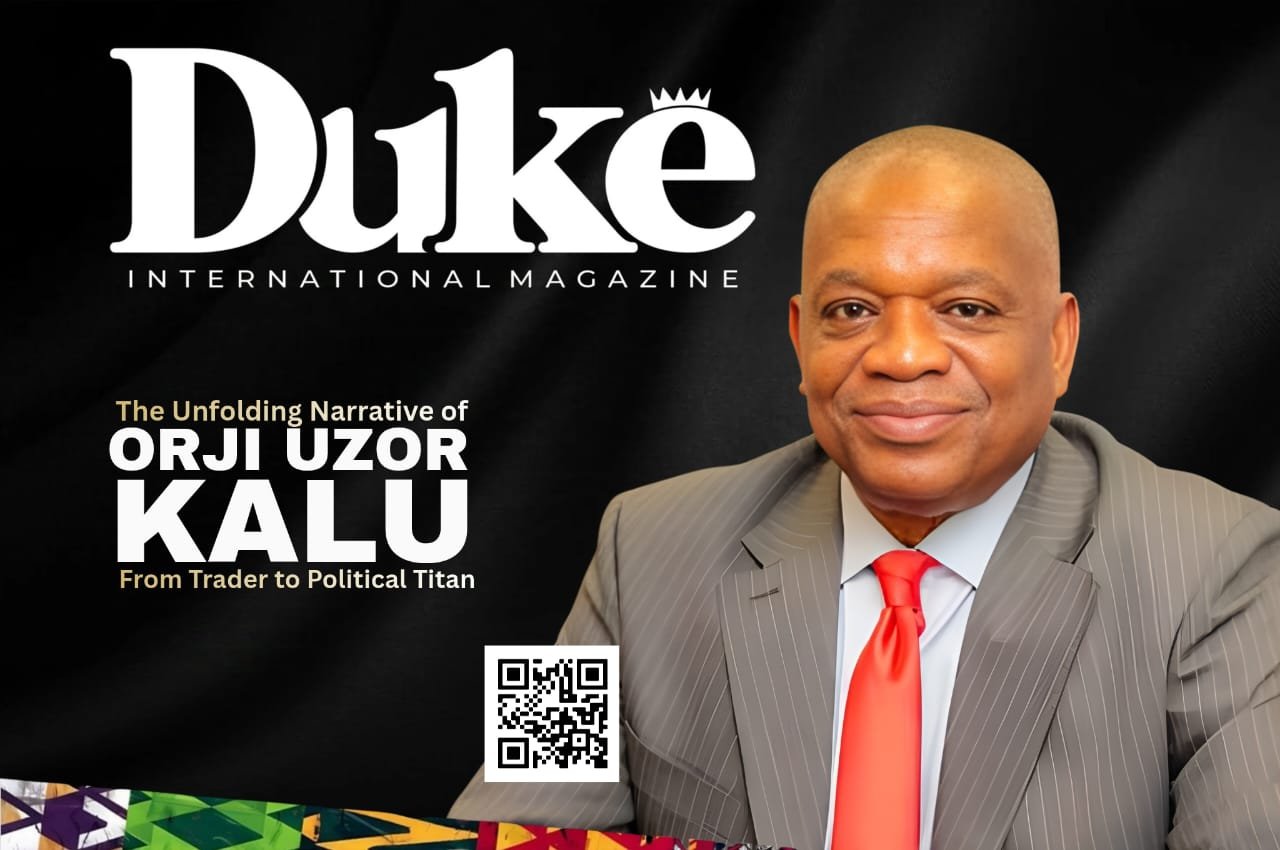
Orji Uzor Kalu stands as a prominent and often controversial figure in Nigerian public life, a man whose narrative is defined by a journey from modest beginnings to building a vast business empire before transitioning to a long and influential career in politics. His story is one of entrepreneurial grit, strategic expansion, and an enduring presence on the national stage.
Born on 21st April 1960 into the Kalu family of Abia State, his early life in the commercial hub of Aba was shaped by the values of resilience and enterprise. His path to success was not a straightforward one. After a period of suspension from the University of Maiduguri due to student activism, he made a pivotal decision to forgo an immediate return to academia and instead ventured into the world of commerce.
With a modest loan of just thirty-five dollars from his mother, he began trading palm oil, buying it from the eastern regions and selling it in the north. This small beginning proved to be the foundation of his fortune; by the age of twenty-five, he had already become a millionaire.
From this initial success, Kalu demonstrated a relentless capacity for diversification. He expanded into furniture manufacturing and trading, identifying and filling gaps in the market. His acumen soon took him into more lucrative and complex sectors, including crude oil trading, banking, shipping, and aviation.
In 1988, he consolidated his various interests under the umbrella of SLOK Holdings, a sprawling conglomerate that would come to include the SLOK Airline, the First International Bank, and, significantly, The Sun Newspaper. His business reach extended beyond Nigeria’s borders, with operations in the United Kingdom, the United States, and several West African nations.
By the time he entered public office, his empire was reportedly worth billions, a testament to his skill in navigating the complexities of the Nigerian economy. In recognition of his entrepreneurial achievements, he received the National Merit Award from President Ibrahim Babangida in 1986, becoming the youngest Nigerian to be so honoured.
His entry into the political arena was not as a novice seeking enrichment but, by his own account, as an established businessman bringing significant resources to the table. He was a key financier during the formation of the Peoples Democratic Party (PDP) in 1998, reportedly donating substantial sums to support its activities and the presidential campaign of Olusegun Obasanjo.
Kalu has consistently asserted that he was “already made” before the advent of the Fourth Republic, using his wealth to fund his political ambitions rather than the other way around. He served as a member of the House of Representatives from 1992 to 1993 before his election as the governor of Abia State in 1999.
As governor of Abia State from 1999 to 2007, Kalu cultivated an image of dynamic action, earning him the nickname “Action Governor” from President Obasanjo. His administration was marked by notable policies, including the provision of free education and healthcare in the state.
He championed infrastructure projects, and in his later years as a senator, he has continued to highlight his commitment to development by initiating new road projects in rural and farm areas. In 2007, he founded the Progressive Peoples Alliance (PPA) and ran for president, demonstrating his independent political weight as his party secured governorship positions in two south-eastern states.
In his current role as the senator representing Abia North, Kalu remains a vocal and assertive figure. He frequently defends his record, contrasting his use of personal funds for public projects with what he perceives as the shortcomings of others. His political stance has evolved, and he is now a member of the ruling All Progressives Congress (APC), actively working to advance the party’s interests in his region.
His combative style of politics is evident in his recent public disputes with the Abia State governor, Alex Otti, over performance and political loyalty, underscoring his determination to remain a central force in the state’s affairs ahead of the 2027 elections.
Throughout his public life, Orji Uzor Kalu has consistently presented himself as a businessman first and a politician second. He maintains that politics has been a more dangerous endeavour for him personally, resulting in the loss of business assets rather than personal gain.
Whether lauded for his philanthropy and business acumen or scrutinised for his political tactics, his story remains deeply intertwined with the narratives of commerce and power in modern Nigeria.