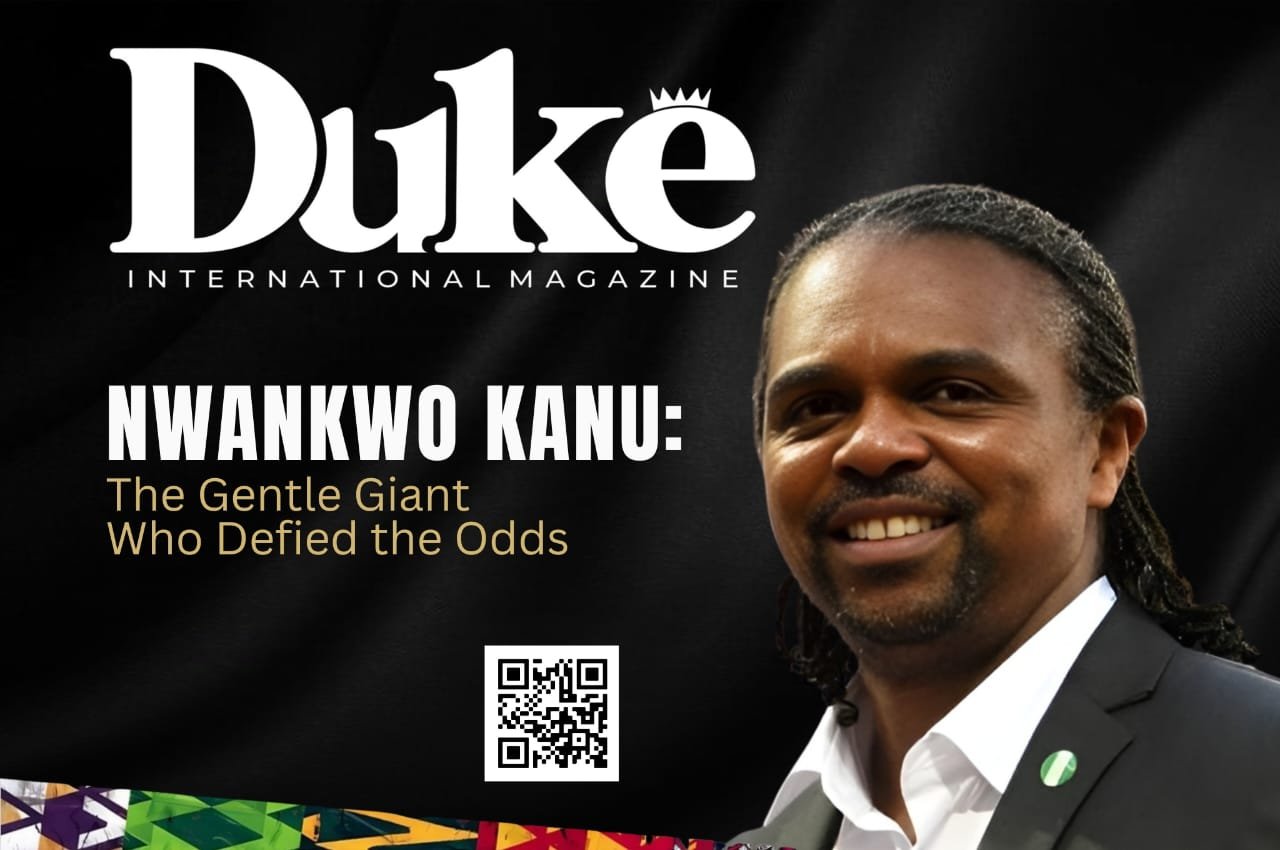
In the world of football, where physical power and blistering pace are often prized above all, Nwankwo Kanu presented a captivating contradiction. Known to fans simply as “Papilo”, the tall, languid striker with a delicate touch became one of Africa’s most beloved and respected footballing figures, not merely for his trophy cabinet, but for a career story woven from extraordinary talent, profound resilience, and immense generosity.
Kanu’s journey began in Owerri, Nigeria, and his prodigious skill was evident from his youth. His breakthrough on the global stage arrived with Ajax Amsterdam, where he honed the intelligent, technical style that would become his trademark. As part of a gifted Ajax squad, he lifted the UEFA Champions League trophy in 1995. A move to Inter Milan followed, but it was there his story took a dramatic turn.
A routine medical examination uncovered a serious congenital heart defect, threatening not just his career, but his life. Many wrote his obituary as a footballer. However, following major surgery in the United States of America, Kanu staged a recovery that can only be described as miraculous.
His return cemented his legend in English football. Signing for Arsenal, he became a cult hero under Arsène Wenger. Though not always a regular starter, his impact was immense. With legs that seemed to move in slow motion yet a mind that operated several seconds ahead of everyone else, he conjured moments of pure magic, most famously his stunning hat-trick against Chelsea.
He was an integral part of the Arsenal squad that secured the Premier League and FA Cup double, embodying the team’s flair and creativity. Later, he added further FA Cup glory with Portsmouth, scoring the winning goal in the 2008 final.
Beyond his club success, Kanu was the heartbeat of the Nigerian national team for over a decade. He captained the “Super Eagles” and was pivotal to their greatest modern triumph: winning the Olympic gold medal at the 1996 Games in Atlanta, where he scored the decisive goal in the semi-final.
Perhaps his most significant legacy lies beyond the pitch. Having faced his own mortality, he established the Kanu Heart Foundation, a charity dedicated to providing life-saving heart surgery for African children. Through this work, he has saved hundreds of lives, transforming his personal challenge into a mission of hope. For his contributions to football and charity, he was honoured with the title of Officer of the Order of the Niger by the Nigerian government.
Nwankwo Kanu’s career is a testament to the triumph of artistry over athleticism, and of spirit over adversity. He was a footballer who played the game with a unique, thoughtful grace and a man who used his second chance at life to give chances to others. He remains not just a great footballer, but a true African icon.