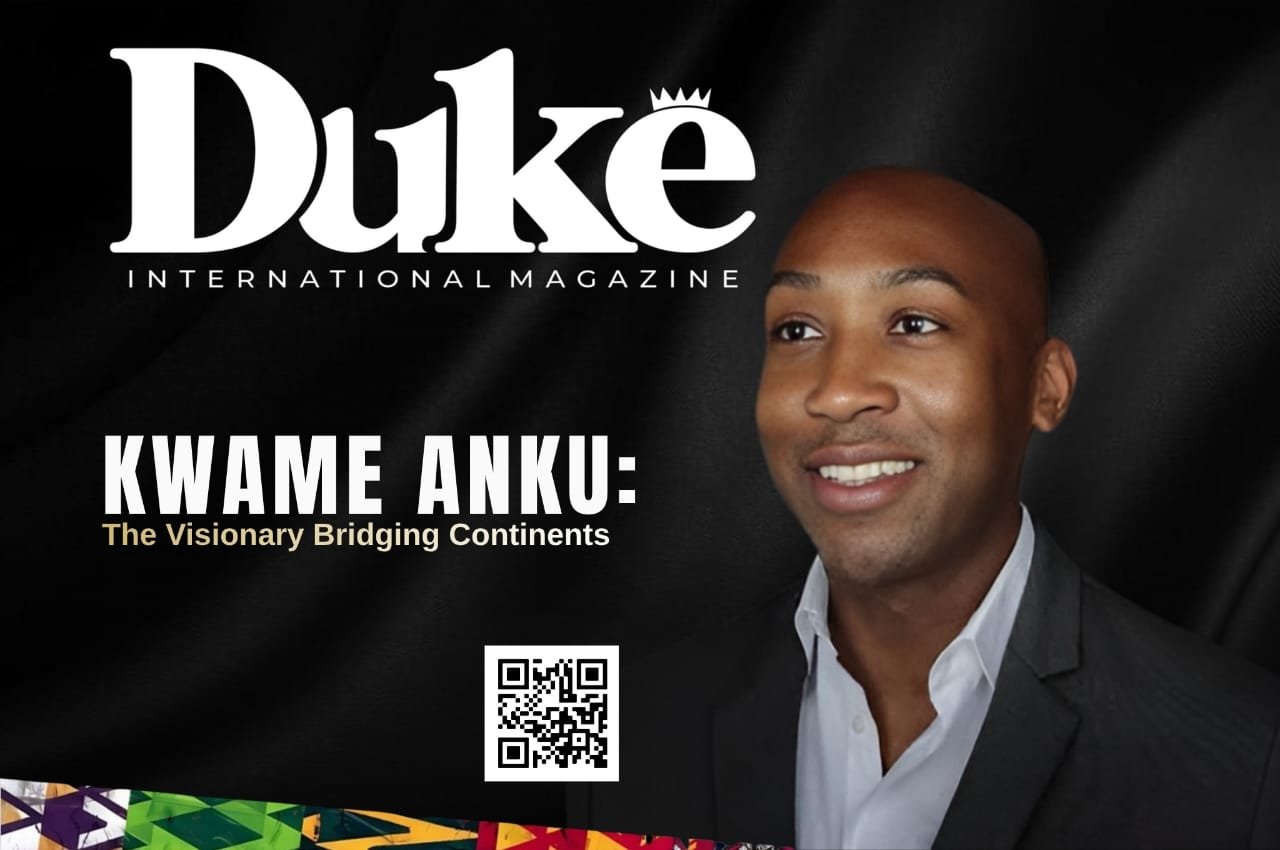
In the rarefied world where high finance meets creative expression, Kwame Anku operates as a singular figure. He is the founder and chief executive of BlackStar, a pioneering advisory firm that occupies a unique space at the intersection of entertainment, culture, and capital.
To understand Anku’s work is to witness a deliberate dismantling of the traditional barriers that have long separated Wall Street from the world’s most vibrant cultural movements.
Based in New York but with a perspective that is distinctly global, Anku built his career on a foundational insight: that the most significant cultural creators, particularly those from the African diaspora, have often been undervalued by conventional financial structures.
Where legacy institutions saw risk or niche appeal, he recognised systemic undervaluation and untapped potential. His approach is not merely transactional; it is architectural. He constructs bespoke pathways that allow artists, athletes, and founders to build enduring wealth without ceding control of their intellectual property or narrative.
Anku’s professional origins are rooted in the discipline of investment banking, a realm of spreadsheets and leverage where he honed an ability to assess complex financial architectures. Yet it is his application of that rigour to the fluid world of culture that defines his reputation.
At BlackStar, he has orchestrated a series of landmark deals that serve as case studies in a new form of stakeholder capitalism—one that positions cultural figures as primary owners rather than compensated contributors. His work frequently involves structuring funds that enable high-net-worth individuals and institutions to invest in media, music, and lifestyle assets alongside the creators who define those sectors.
What sets Anku apart in the landscape of modern finance is his fluency in two distinct languages: the quantitative precision of private equity and the qualitative nuance of artistic legacy.
He moves between boardrooms and recording studios with an ease that belies the complexity of his synthesis. For him, the balance sheet and the creative vision are not opposing forces but complementary elements of a singular strategy for sustainable success.
In an era increasingly defined by questions of ownership, autonomy, and cultural equity, Kwame Anku has established himself as a crucial architect. He is building the infrastructure for a future where the creators of culture are also its primary shareholders, ensuring that the value generated by global influence remains in the hands of those who generate it.