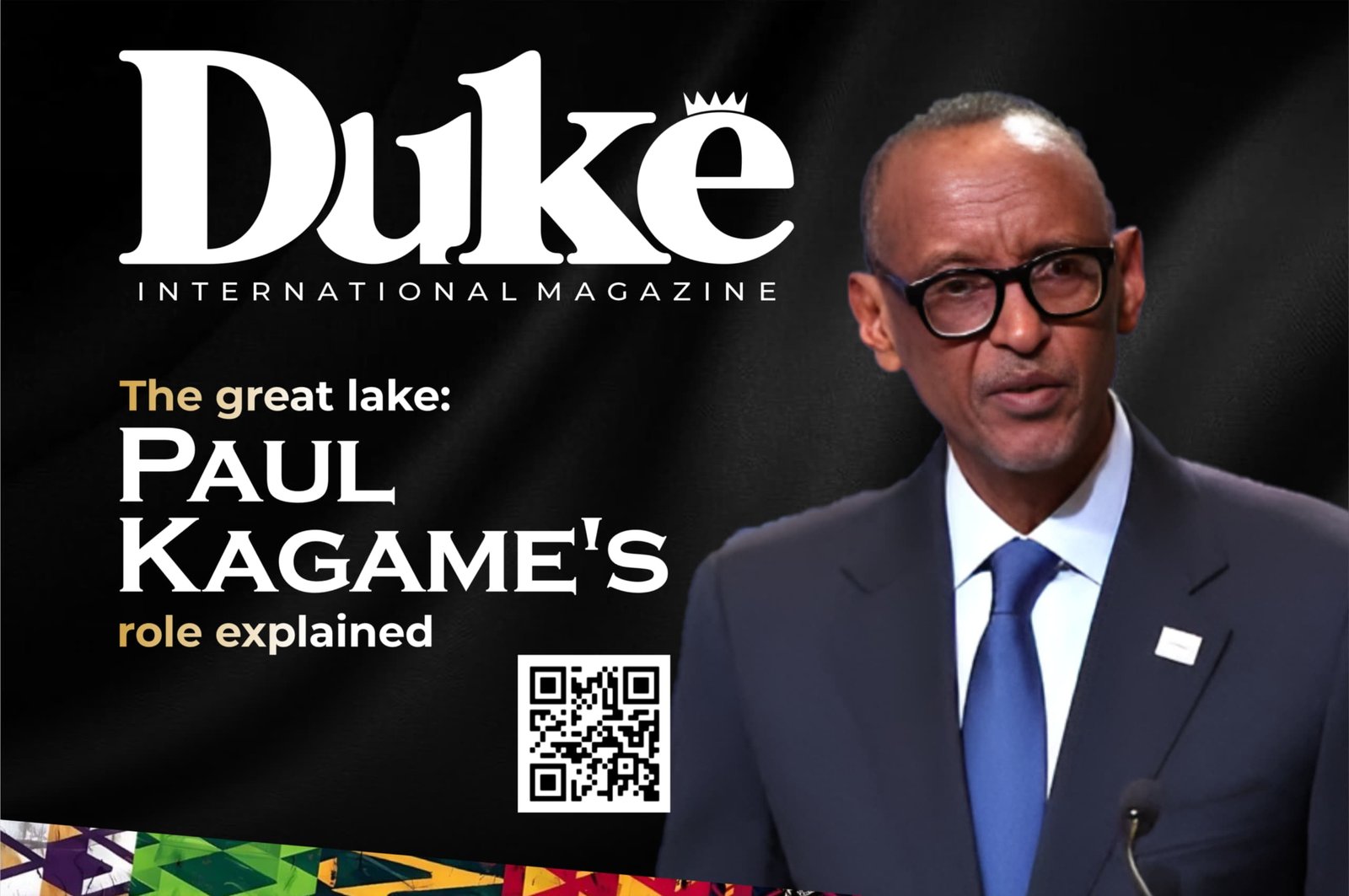
Thirty years after leading the Rwandan Patriotic Front to end the 1994 genocide, President Paul Kagame has once again stepped into the breach—this time as mediator in the ongoing Great Lakes conflict. In late 2023, Kagame convened rival delegations from the Democratic Republic of Congo and various armed groups in Kigali, ultimately securing an agreement to pause hostilities in eastern Congo.
Kagame’s own story is inseparable from that of modern Rwanda. Rising from a rebel commander to head of state in 2000, he has overseen rapid economic growth, major road and energy projects, and a crackdown on corruption. Yet his government’s tight political controls have drawn criticism from human‑rights observers. By contrast, his recent focus has been on regional stability: hosting back‑channel talks, marshaling intelligence on armed movements, and leveraging Rwanda’s logistical networks to support monitoring teams on the ground.
Analysts say Kagame’s leadership in brokering the ceasefire signals a shift from national consolidation toward broader diplomacy. For Kigali, peace in eastern Congo not only protects border communities but also opens new corridors for trade. Whatever lies ahead, Kagame’s latest intervention confirms his view that Rwanda’s security and prosperity are tied to that of its neighbours.